
Giblet Gravy
Rich, savory and full of old-fashioned Southern flavor, this giblet gravy recipe is the finishing touch your Thanksgiving or Christmas dinner needs.
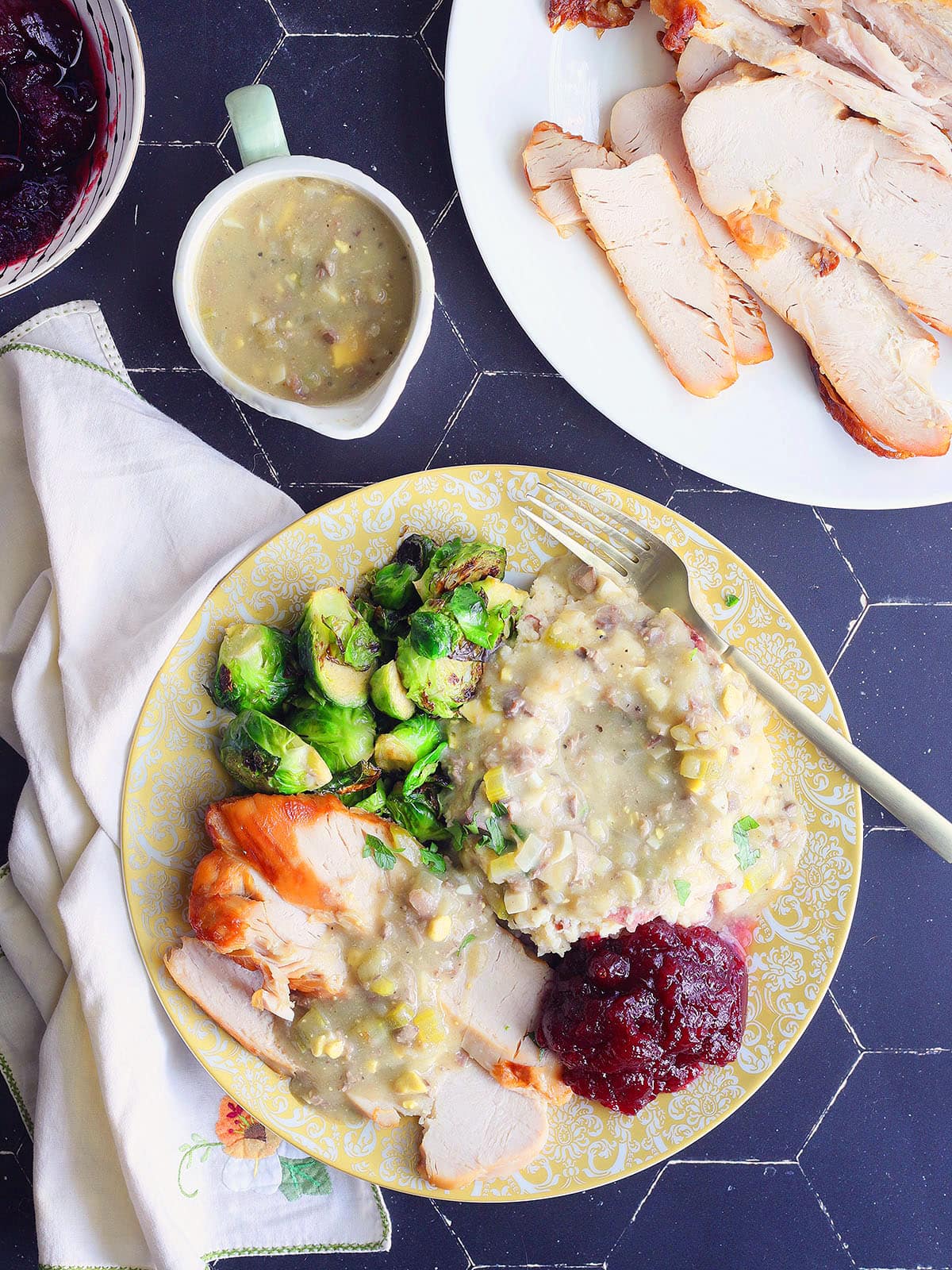
If you grew up eating Thanksgiving dinner in the South, there’s a good chance a gravy boat filled with giblet gravy had a permanent place on the table. Made from tender turkey giblets, homemade giblet broth, pan drippings and chopped hard-boiled eggs, it’s just the thing for spooning over turkey, cornbread dressing and creamy mashed potatoes.
Recipe at a glance
- It’s a Southern Thanksgiving classic. Giblet gravy is made for pouring over turkey, dressing and mashed potatoes.
- Nothing goes to waste. Instead of discarding the turkey neck and giblets, you’re turning them into a flavorful part of the meal.
- Turkey drippings add even more flavor. Using the rendered fat and juices from your roasted turkey gives the gravy a rich, savory flavor you won’t get from a packet or jar.
- You can do some of the work ahead. The giblets and neck can be cooked in advance, making Thanksgiving Day a little less hectic.
- It’s easy to adjust. You can make the gravy thicker or thinner and adjust how much giblet meat you add according to your preference.
Ingredients you will need
Turkey giblet gravy is one of those recipes that makes use of ingredients you might otherwise throw away and turns them into something delicious. To make homemade classic giblet gravy, you’ll need:
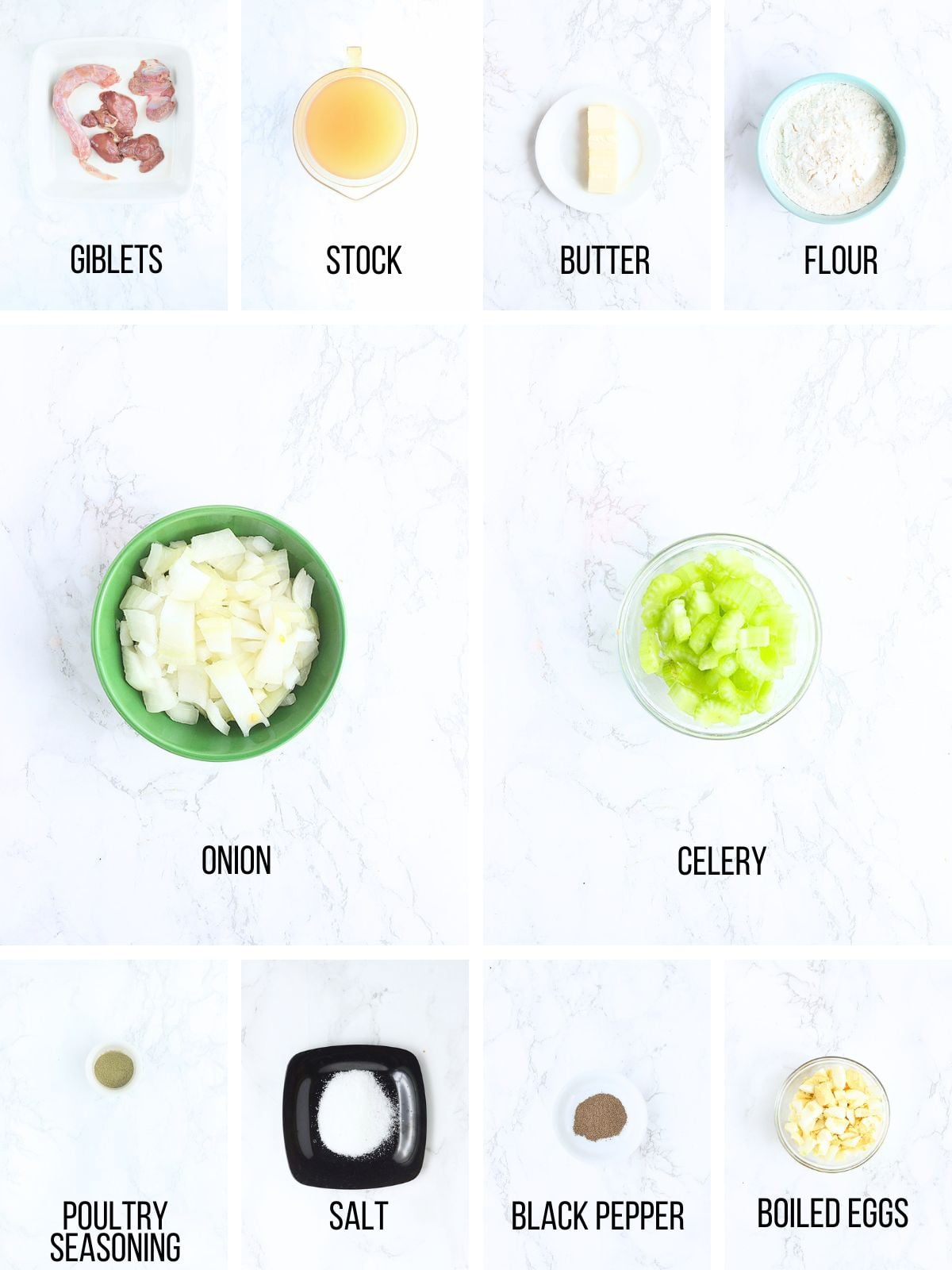
See the recipe card for full information on ingredients and quantities.
- Turkey or chicken giblets and neck – Check both cavities of the bird. The giblets are often packaged in a little pouch while the neck may be loose.
- Chicken stock or turkey stock – The giblets simmer in the broth, giving it even more flavor.
- Unsalted butter or turkey drippings – Turkey drippings are my first choice if I have them available. Butter works just fine if you’re making the gravy before the turkey is finished.
- All-purpose flour – Combines with the fat to make a roux and thicken the gravy.
- Onion – Finely chop the onion so it blends into the finished gravy.
- Celery – Adds another layer of savory flavor.
- Poultry seasoning – Gives the gravy that familiar Thanksgiving flavor.
- Salt and ground black pepper
- Hard-boiled eggs – A traditional ingredient in Southern giblet gravy.
- Cooked giblets – Finely chop them before adding them to the gravy.
- Neck meat – Optional, but there’s no reason to let that flavorful meat go to waste.
What are giblets?
Giblets are the edible organs that typically come packaged inside a whole turkey or chicken. The package usually contains the heart, gizzard and liver. You may also find the neck tucked inside the bird’s cavity separately.
How to use turkey drippings
If you’re making this gravy for Thanksgiving, don’t let those flavorful turkey drippings go to waste. Turkey drippings are the flavorful juices and rendered fat that collect in the bottom of the roasting pan while a roast turkey cooks.
After removing the roasted turkey from the pan, pour the drippings into a measuring cup or fat separator. As they sit, the fat will rise to the top.
Use four tablespoons of the turkey fat in place of the butter when cooking the vegetables. The remaining pan juices can be added to your giblet broth.
Just keep in mind that turkey drippings may already contain salt, especially if you’ve brined or heavily seasoned your turkey. Taste the gravy before adding additional salt.
Substitutions and variations
- Chicken giblet gravy: You don’t have to wait until Thanksgiving to make this recipe. Use the giblets and neck bone from a whole chicken and chicken broth instead of turkey broth.
- Leave out the eggs: Hard-boiled eggs are traditional in Southern giblet gravy, but you can omit them if you don’t care for the texture.
- Add sage: Add ½ teaspoon of rubbed sage along with the poultry seasoning for an even more pronounced holiday flavor.
- Make it smooth: If you prefer a smoother gravy, strain the giblet broth before using it and finely mince the giblets and neck meat.
- Leave out the neck meat: The neck meat adds flavor and prevents waste, but it’s optional.
How to make giblet gravy
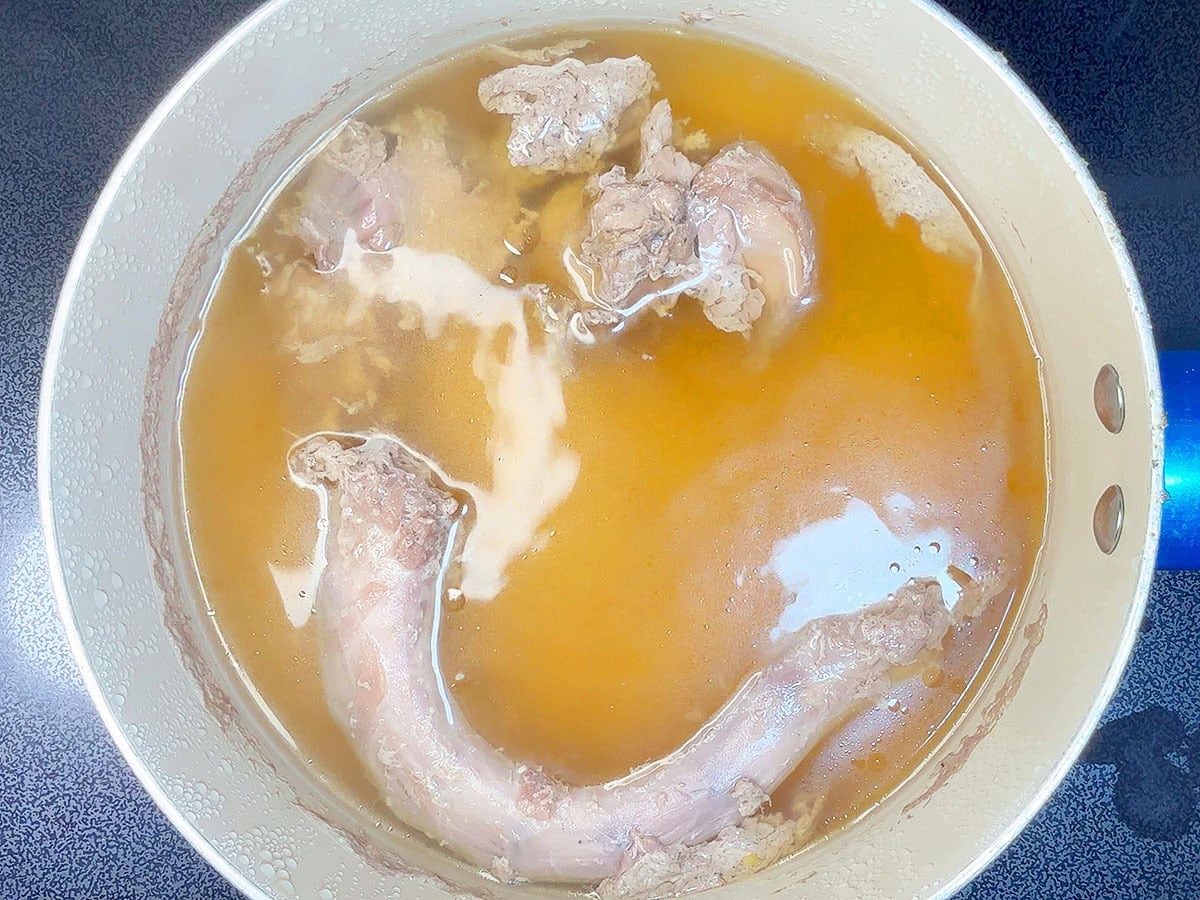
Step 1: Place the giblets and neck in a saucepan with 3 cups broth. Bring to a boil, reduce the heat, cover and simmer for 45–60 minutes until tender.
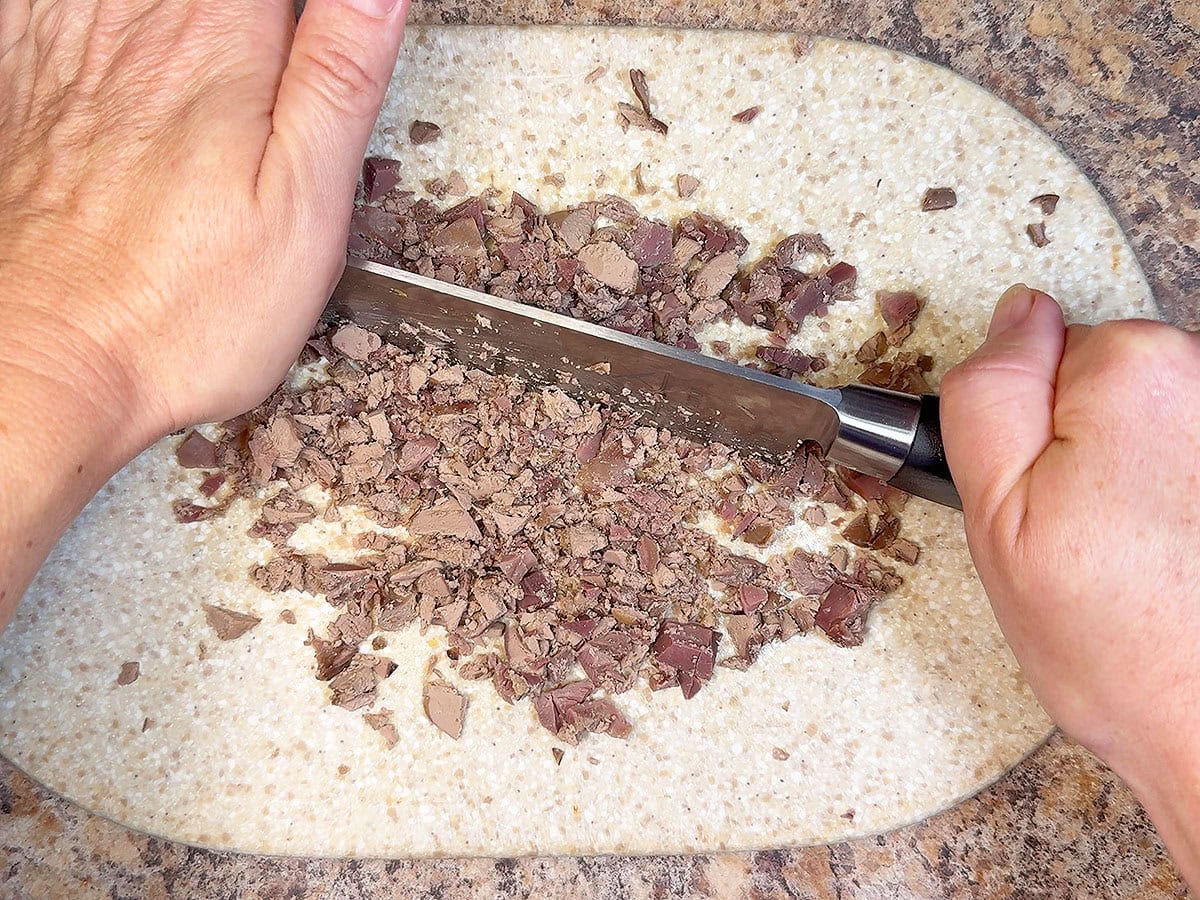
Step 2: Remove the giblets and neck, reserving the broth. Finely chop the giblets into small pieces. Remove the meat from the neck, chop or shred it and discard the bones.
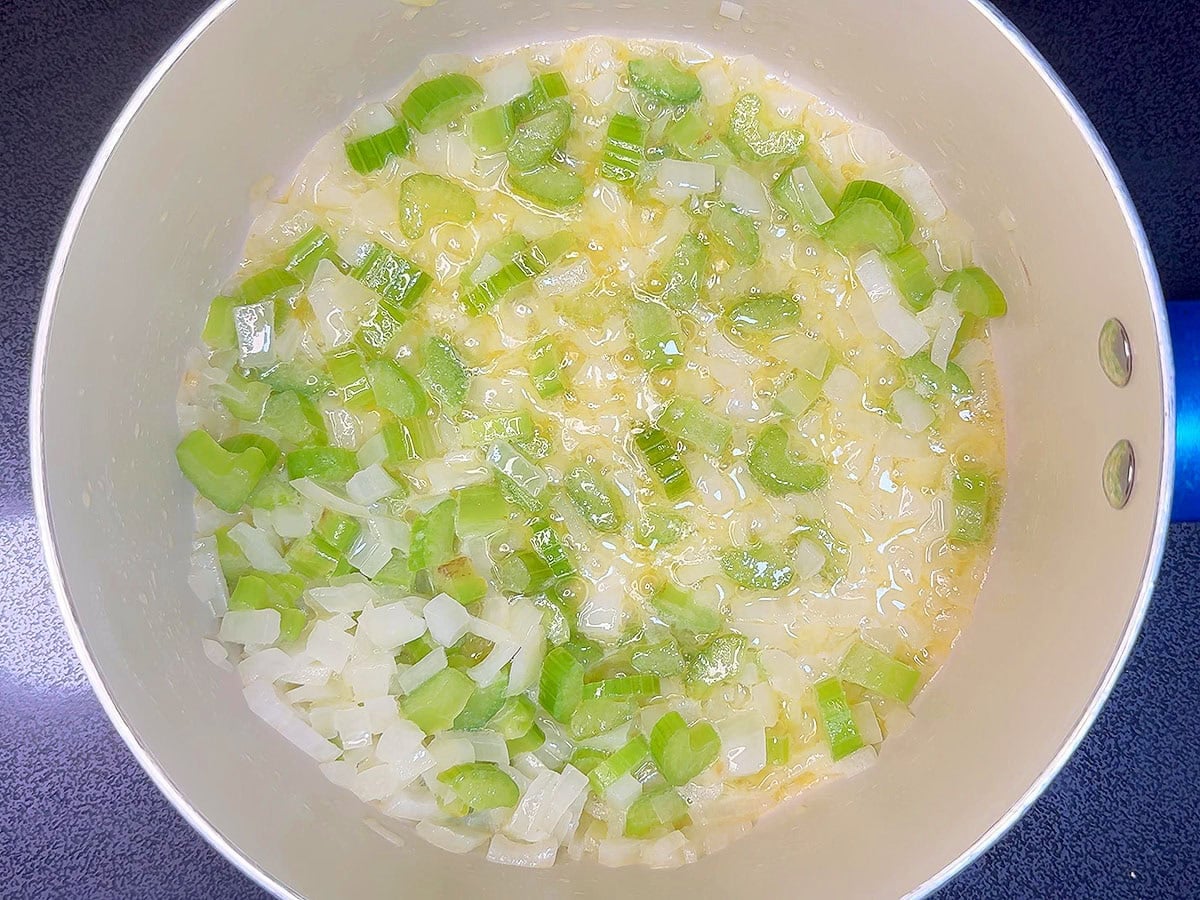
Step 3: Melt the butter or turkey drippings in a large skillet over medium heat. Add the onion and celery and cook for 4–5 minutes until tender.
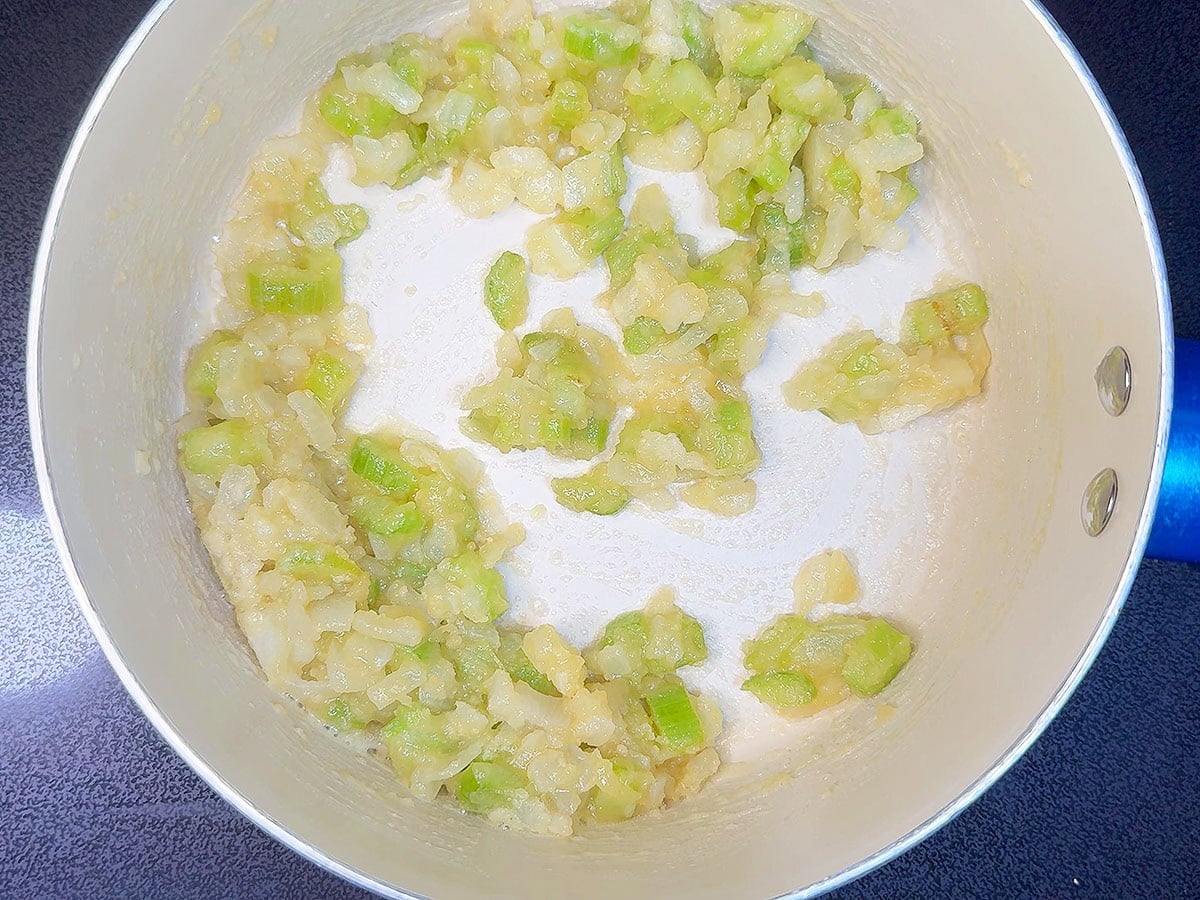
Step 4: Sprinkle the flour over the vegetables. Stir to coat and cook for 2 minutes, stirring frequently.
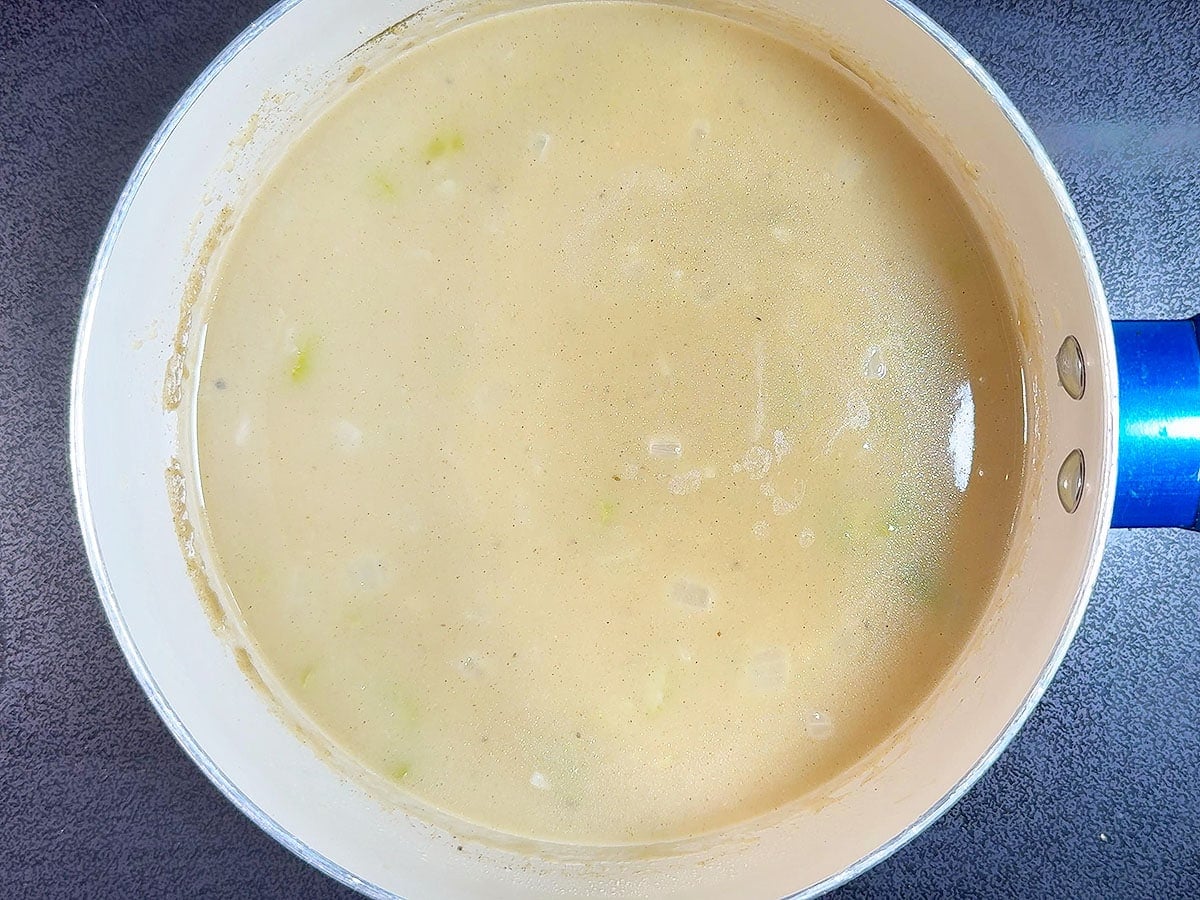
Step 5: Gradually whisk in 3 cups reserved giblet broth. Add additional broth as needed to equal 3 cups.
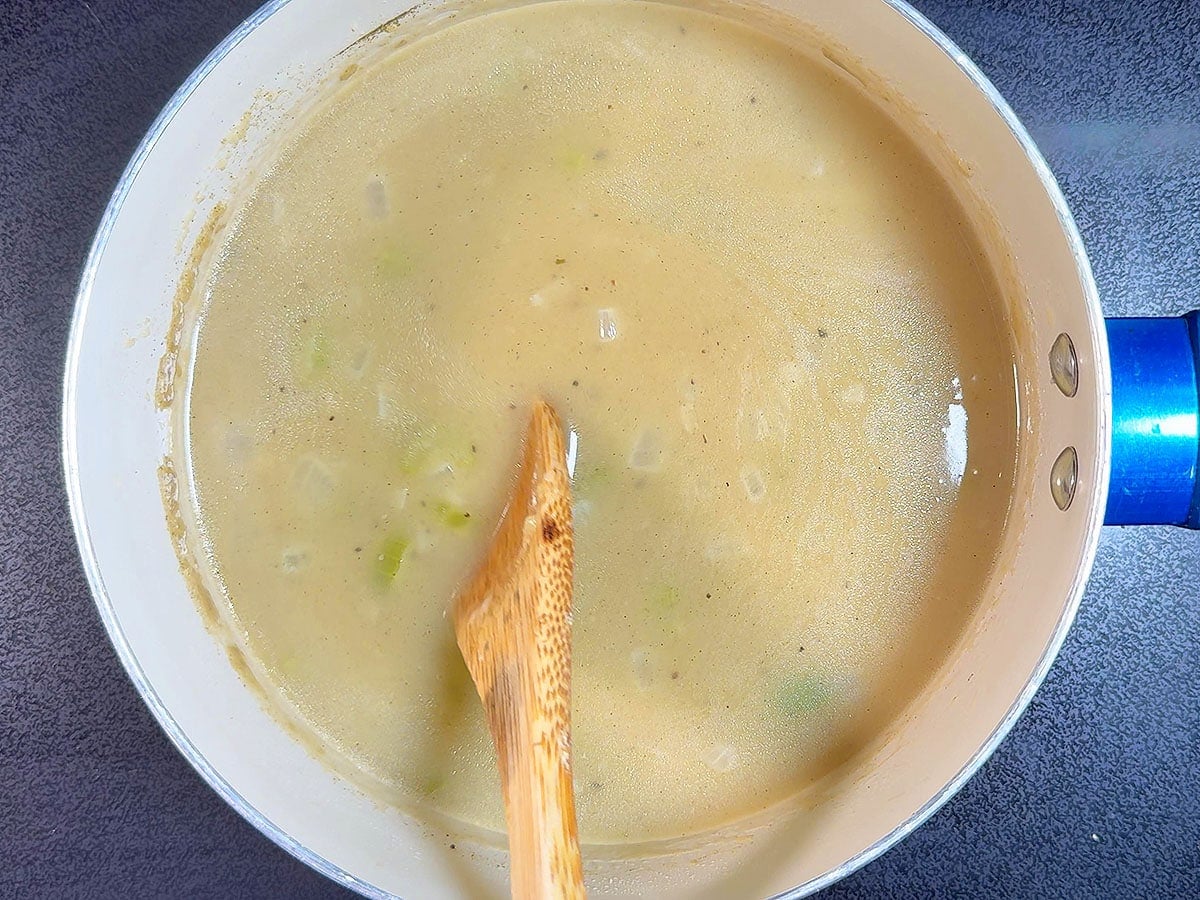
Step 6: Stir in the poultry seasoning, salt and pepper. Simmer for 5–10 minutes, stirring frequently, until the gravy thickens.
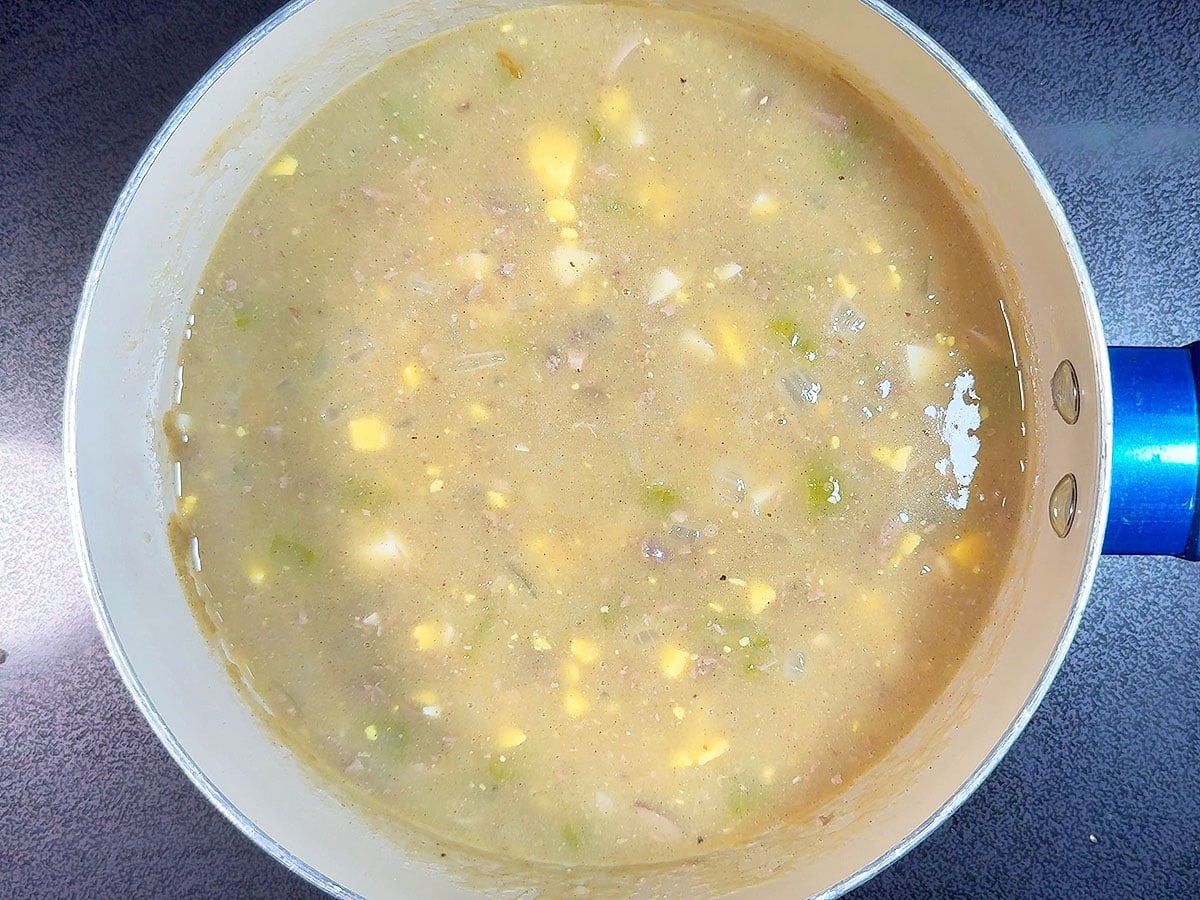
Step 7: Stir in the chopped giblets, neck meat and hard-boiled eggs. Simmer for 2–3 minutes until heated through. Add additional broth if the gravy is too thick.
How to fix gravy that’s too thick or too thin
Gravy continues to thicken as it cooks and will thicken even more as it cools.
If your gravy is too thick, whisk in additional chicken or turkey broth a few tablespoons at a time until it reaches the consistency you want.
If your gravy is too thin, continue simmering it uncovered for a few more minutes. Give it time before adding more flour. The gravy may simply need a little longer to reduce and thicken.
What to serve with giblet gravy
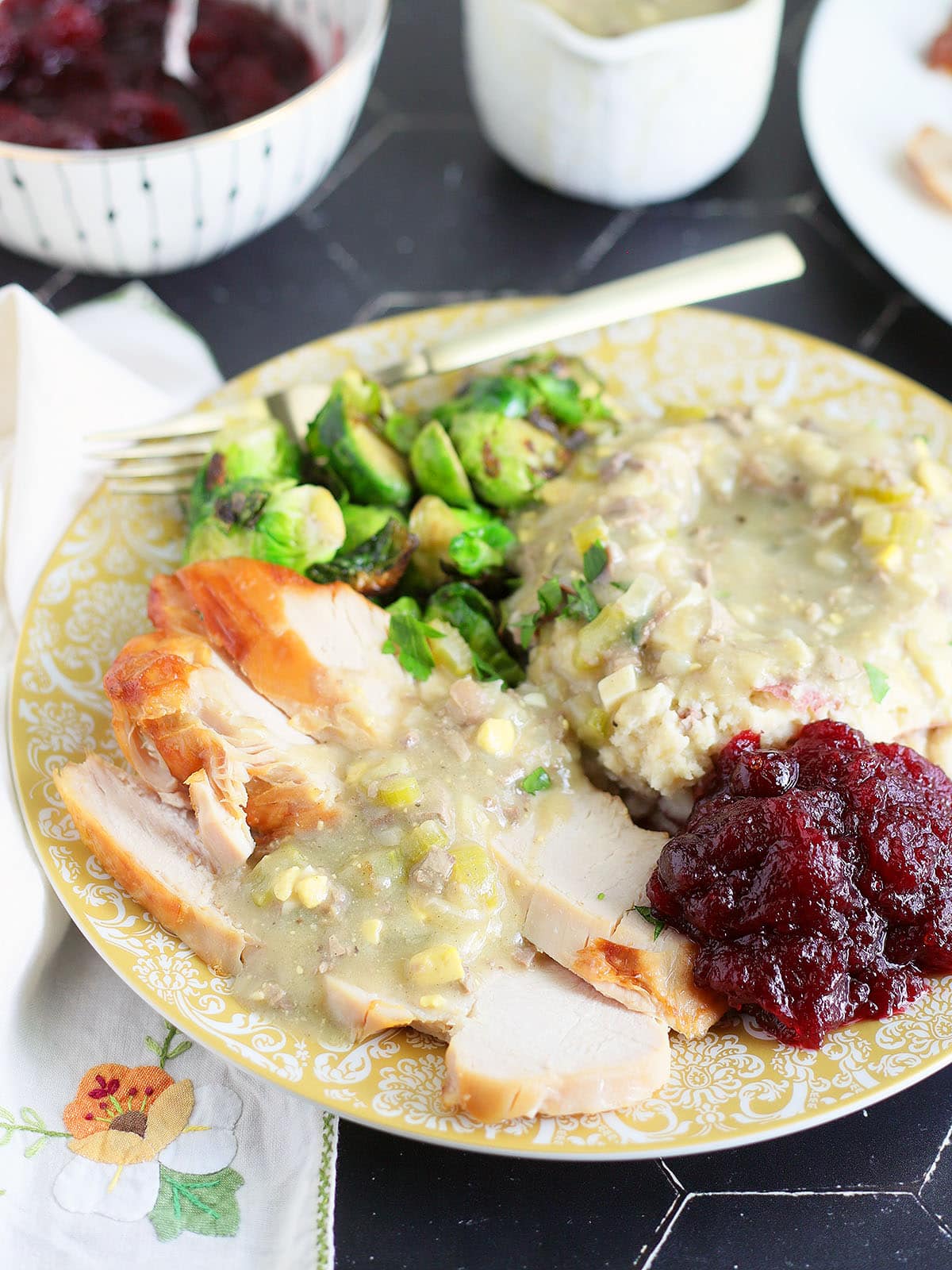
Giblet gravy is practically made for Thanksgiving dinner. Serve it generously over:
- Smoked spatchcock turkey
- Cornbread dressing with chicken
- Garlic mashed potatoes
- Buttermilk biscuits
- Roasted chicken
- Southern skillet cornbread
And don’t make people choose between putting gravy on the turkey or the dressing. That’s what gravy boats are for.
Storage, freezing, and reheating instructions
Storage. Allow leftover gravy to cool, then transfer it to an airtight container. Store it in the refrigerator for 3–4 days.
Freezing. You can freeze giblet gravy, but I recommend freezing it without the hard-boiled eggs. The texture of cooked egg whites can become rubbery after freezing and thawing. Transfer the cooled gravy to a freezer-safe container, leaving a little room for expansion. Freeze for up to three months. Thaw the gravy overnight in the refrigerator, reheat it and add freshly chopped hard-boiled eggs before serving.
Reheating. Reheat giblet gravy in a saucepan over low to medium-low heat, stirring frequently. The gravy will probably be thicker after refrigeration. Add a splash of chicken or turkey broth as it heats until it returns to the desired consistency.
Giblet gravy FAQ’s
Traditional turkey gravy is typically made from turkey drippings, broth and a thickener such as flour. Giblet gravy includes chopped cooked giblets and often neck meat. Southern-style giblet gravy also commonly includes sliced boiled eggs.
No. The liver has a particularly strong flavor, so feel free to leave it out. You can make delicious giblet gravy using just the heart and gizzard.
Chopped hard-boiled eggs are a traditional ingredient in many Southern giblet gravy recipes. They add richness and texture to the finished gravy. If your family’s version never included eggs, you can leave them out.
Yes. Use unsalted butter to make the roux and chicken or turkey broth for the liquid. The gravy will still have plenty of flavor from simmering the giblets and neck in the broth.
Yes. At minimum, I recommend cooking the giblets and turkey neck ahead of time. You can also prepare the entire gravy in advance and gently reheat it before serving.
If you’re planning to use drippings from your Thanksgiving turkey, cook the giblets ahead, then wait until the turkey is done to finish the gravy.
Gradually add the broth to the roux while whisking constantly. Don’t pour all the liquid in at once. Adding it slowly gives the flour time to incorporate into the liquid and helps create a smooth gravy.
This recipe makes approximately three cups of giblet gravy, or about 12 servings. If you’re feeding a large Thanksgiving crowd—or your family takes their gravy very seriously—consider doubling the recipe.
Tried This Recipe? Let Me Know!
⭐️⭐️⭐️⭐️⭐️
If you made Giblet Gravy, I’d love to hear how it turned out! Your ratings and reviews help others find the recipe and give me great feedback too.
More Thanksgiving recipes
Southern Giblet Gravy
Ingredients
- Giblets and neck from 1 turkey or whole chicken
- 4 cups chicken or turkey broth divided
- 4 tablespoons unsalted butter or turkey drippings
- ¼ cup all-purpose flour
- ½ cup finely chopped onion
- ½ cup finely chopped celery
- ½ teaspoon poultry seasoning
- ½ teaspoon salt plus more to taste
- ¼ teaspoon ground black pepper
- 2 hard-boiled eggs peeled and chopped
- ½ cup finely chopped cooked giblets
- 1 cup finely shredded or chopped meat from the cooked neck optional
Instructions
- Place the giblets and neck in a medium saucepan. Add 3 cups of the chicken or turkey broth. Bring to a boil, then reduce the heat to low. Cover and simmer for 45-60 minutes, or until the giblets are tender.
- Remove the giblets and neck from the broth and set aside until cool enough to handle. Reserve the cooking broth.
- Remove the meat from the neck bones and finely chop or shred it. Discard the bones.
- Melt the butter or turkey drippings in a large skillet or saucepan over medium heat. Add the onion and celery and cook for 4-5 minutes, until tender.
- Sprinkle the flour over the vegetables. Stir until evenly coated. Cook for about 2 minutes, stirring frequently, to remove the raw flour taste.
- Gradually whisk in 3 cups of the reserved giblet broth. If you don’t have a full 3 cups remaining, add enough of the reserved 1 cup of broth to make up the difference.
- Add the poultry seasoning, salt, and black pepper. Bring the gravy to a gentle simmer and cook for 5-10 minutes, stirring frequently, until thickened.
- Stir in the chopped giblets, neck meat, and chopped hard-boiled eggs. Simmer for another 2-3 minutes, just until everything is heated through.
- Taste and adjust the salt and pepper as needed. If the gravy becomes too thick, gradually stir in additional broth until it reaches your desired consistency.
Video
Notes
- About the liver: The liver has a stronger flavor than the heart and gizzard. Leave it out entirely or use only a small amount if you prefer a milder gravy.
- Use turkey drippings when possible: For Thanksgiving, replace some or all of the butter with fat from the turkey drippings. You can also add flavorful roasting-pan juices to the broth.
- For a smoother gravy: Strain the broth after cooking the giblets and before adding it to the roux.
- Adjusting consistency: Simmer longer for thicker gravy. For thinner gravy, stir in additional broth a few tablespoons at a time.
- Make ahead: Cook and chop the giblets and neck meat up to 2 days ahead. Refrigerate them along with the strained broth, then finish the gravy before serving.
- Storage: Refrigerate leftover gravy in an airtight container for 3-4 days. Reheat gently on the stovetop, adding a splash of broth if needed.
- Optional sage: Add ½ teaspoon rubbed sage for a more pronounced Thanksgiving flavor.

This is the kind of old-fashioned gravy that belongs on a Southern Thanksgiving table. It’s rich and savory without being complicated, and I especially love it spooned over cornbread dressing and mashed potatoes.