
Blender Hollandaise Sauce
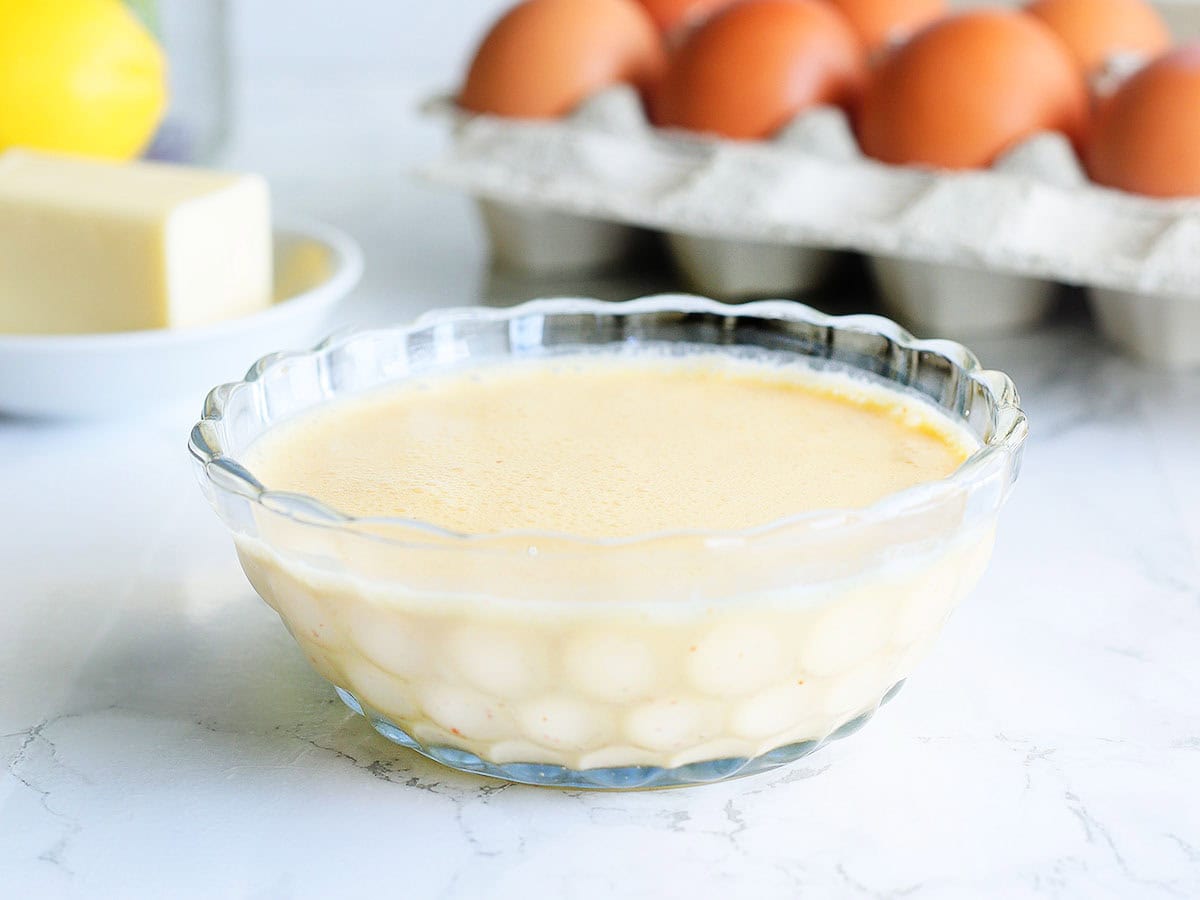
Silky, buttery blender hollandaise sauce is made with egg yolks, fresh lemon juice, and melted butter. It’s an easy, foolproof recipe perfect for Eggs Benedict, vegetables, seafood, and more.

If there’s one sauce that instantly makes a dish feel fancy, it’s hollandaise. Silky, buttery, a little tangy from fresh lemon juice, and just the right kick of cayenne — it’s the kind of sauce that turns simple eggs or steamed asparagus into something you’d expect at brunch downtown.
The good news? It’s way easier than people think.
This blender hollandaise sauce takes just a few minutes and removes all the stress of standing over the stove whisking and praying it doesn’t scramble. If you’ve ever been intimidated by hollandaise before, this is your sign to try it.
What is hollandaise sauce?
The classic hollandaise sauce is a French classic made from egg yolks, butter, and lemon juice. It’s traditionally whisked over low heat on the stove top until thick and creamy. The result is a smooth, rich sauce that’s brightened with citrus and lightly seasoned.
Recipe at a glance
The blender does the work, creating a creamy emulsion in seconds.
- No double boiler
- No constant whisking
- No guesswork
Summarize and save this content on
Jump to:
Ingredients you will need
Five simple ingredients (plus water) is all you need for a restaurant-quality sauce. To make this homemade hollandaise sauce recipe, you will need:

See the recipe card for full information on ingredients and quantities.
- Egg Yolks – The foundation of the sauce. They thicken and emulsify the butter and lemon juice, creating that smooth, creamy texture. Room temperature yolks blend best.
- Unsalted Butter – Adds richness and body. Using unsalted butter lets you control the seasoning, and cooling it slightly prevents scrambling.
- Fresh Lemon Juice – Balances the butter with brightness and acidity. Fresh juice gives the cleanest flavor.
- Sea Salt – Enhances all the other flavors and keeps the sauce from tasting flat.
- Cayenne Pepper – Adds a subtle warmth that deepens the flavor without making the sauce spicy.
- Hot Water – Thins the sauce to the perfect consistency and helps keep the emulsion smooth.
Substitutions and variations
- Lime juice instead of lemon – swap the lemon juice for fresh lime juice for a slightly different citrus note. It’s especially good with seafood.
- White wine vinegar – Replace part of the lemon juice with a splash of white wine vinegar for a more traditional, slightly sharper flavor.
- Hot sauce – Add a few drops of your favorite hot sauce for an extra tangy flavor and heat. It deepens the flavor without overpowering the sauce — especially good for brunch dishes.
- No cayenne – Prefer zero heat? Leave it out entirely or substitute a pinch of white pepper for gentle warmth without color.
- Smoked paprika – Add a small pinch for a subtle smoky twist that pairs beautifully with grilled meats or grilled vegetables.
- Clarified butter – For a more classic version, use clarified butter instead of whole melted butter. It creates an even silkier texture and slightly richer flavor.
- Herb-infused – Blend in a teaspoon of finely chopped fresh tarragon, chives, or dill for a fresh, herby variation.
- Garlic – Add a very small amount of finely grated garlic or a drop of garlic-infused oil for extra depth.
How to make blender hollandaise sauce
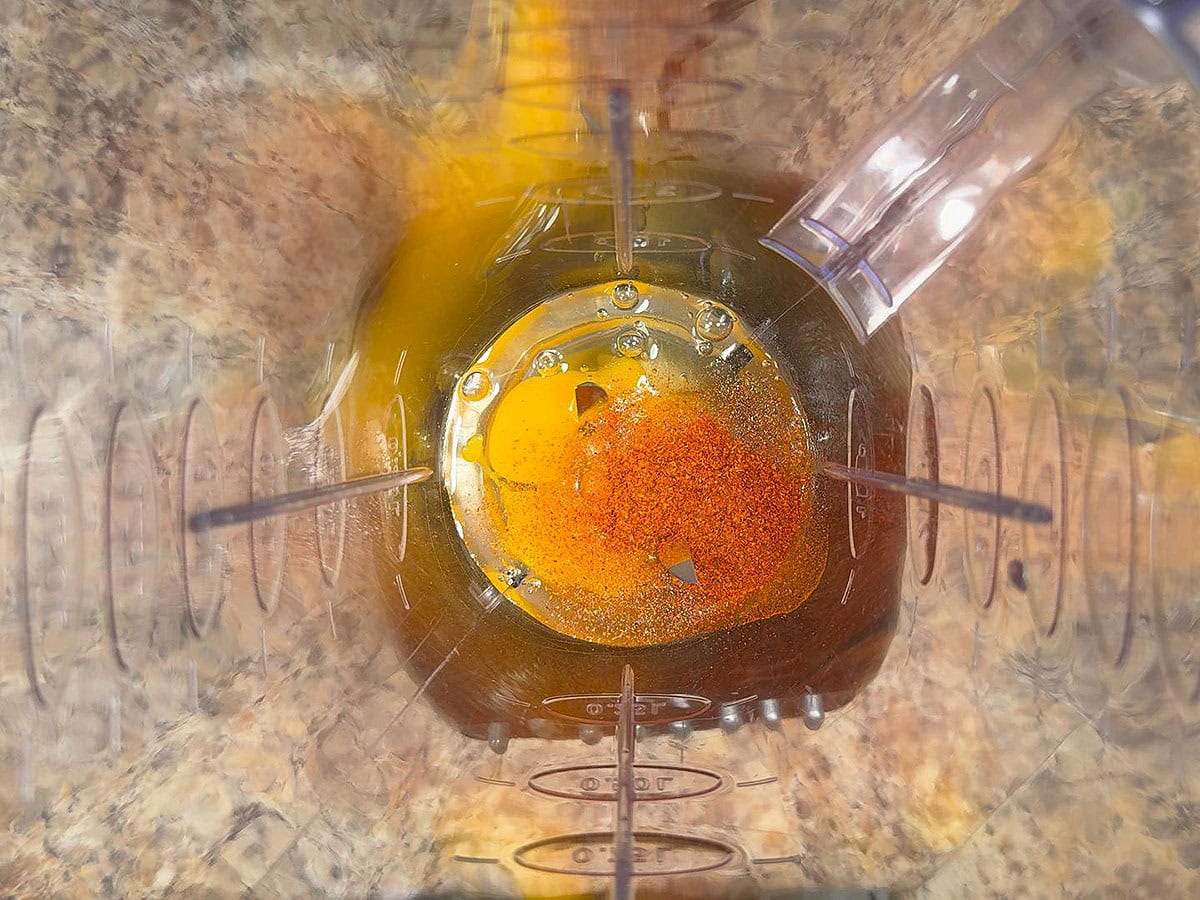
Step 1: Start by blending the egg yolks, salt, and cayenne pepper until smooth.
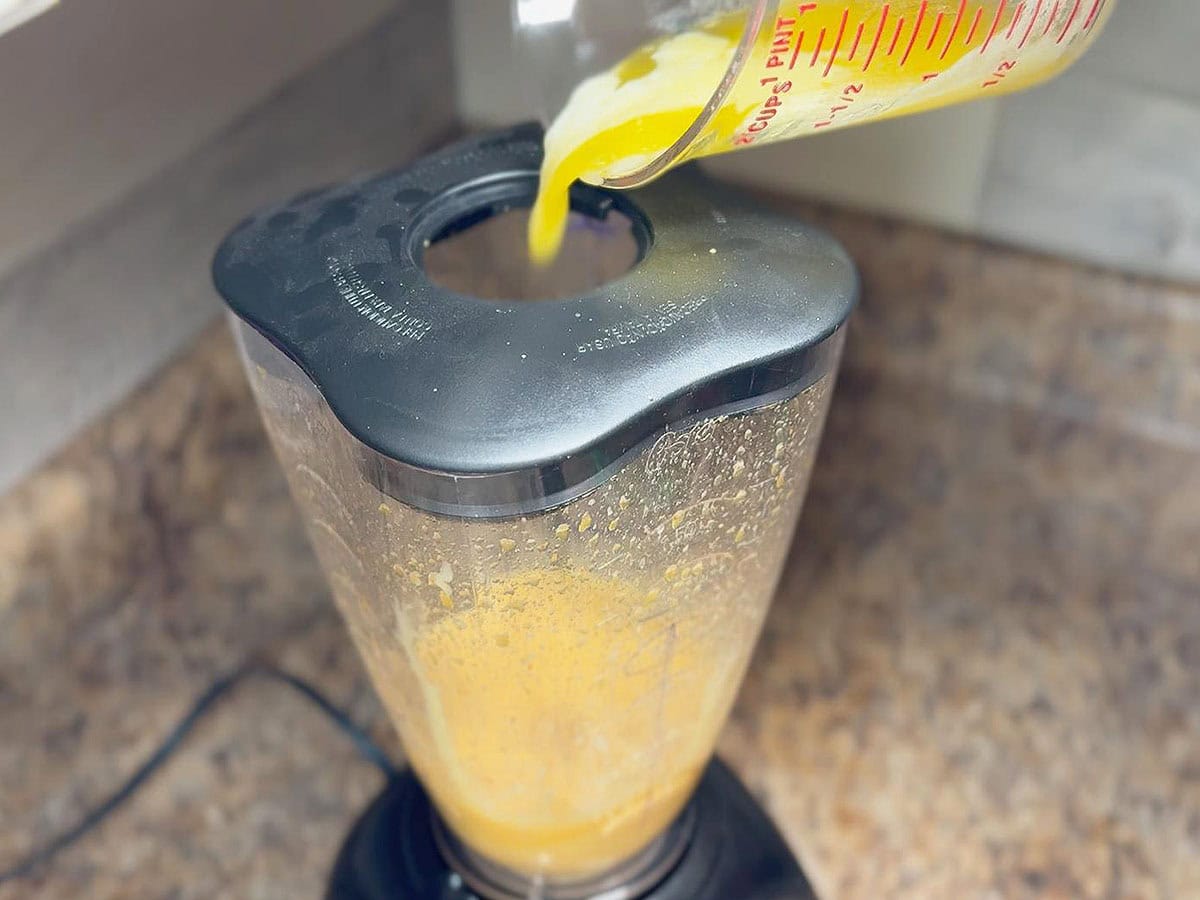
Step 2: With the blender running, slowly add half of the melted butter in a steady stream into the egg yolk mixture, then half of the lemon juice. Repeat with the remaining butter and lemon juice. Taste and adjust seasoning with additional salt and black pepper as needed. Serve the emulsified sauce immediately.
Tips for Success
Use room temperature egg yolks. This helps the sauce emulsify properly.
Let the butter cool slightly. Hot melted butter can cook the eggs.
Add hot water gradually. If the sauce feels too thick, add hot water a teaspoon at a time until it reaches your desired consistency.
Don’t rush the blending. Give it a few extra seconds to fully emulsify.
Serving suggestions
It’s most famously served over Eggs Benedict, but don’t stop there. It’s also incredible on:
- Steamed or roasted asparagus – A warm drizzle instantly upgrades simple asparagus into a steakhouse-worthy side.
- Grilled salmon – The buttery richness pairs beautifully with flaky salmon and brightens the whole dish.
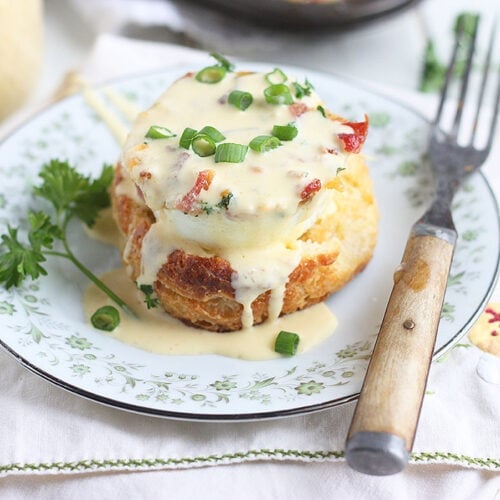
- English muffins or buttermilk biscuits – The smooth texture soaks into all those flaky layers, making it borderline indulent in the best way.
- Oven baked crab cakes – Skip the tartar sauce and use hollandaise for a richer, more elegant finish.
- Ham casserole with tater tots – take this breakfast casserole to the next level with a drizzle of warm hollandaise.
- Steak – Think of it as a lighter alternative to béarnaise — especially good on a filet such as this steak Oscar recipe or a ribeye.
This recipe makes about 1 cup of hollandaise, which typically serves:
- 4 people generously (about 2–3 tablespoons per person, perfect for Eggs Benedict)
- 6–8 people lightly (if it’s more of a drizzle over vegetables or fish)

Storage instructions
The sauce will keep for up to 2 hours at room temperature, but it’s best enjoyed fresh. It will keep in an airtight container in the refrigerator for up to 2–3 days, though it’s best enjoyed within 1–2 days for optimal quality. The sauce will thicken once refrigerated, so it may need to be thinned before serving. Discard immediately if it develops an off smell or any signs of mold.
Blender hollandaise sauce FAQ’s
The butter was likely too hot or added too quickly. If it separates, try blending in a teaspoon of hot water into the broken sauce. In many cases, that will bring it back together.
It should be thick but pourable — smooth enough to coat the back of a spoon without being gloopy.
Yes, but reduce or omit the added salt and adjust to taste at the end.
An immersion blender works beautifully. Use a tall, narrow container (like a mason jar or measuring cup). Keep the head of your immersion blender fully submerged to help the emulsification process.
Because food processors are wider and more powerful, the sauce doesn’t always emulsify as easily. To help it along, you may need to stop and scrape down the sides.


Tried This Recipe? Let Me Know!
⭐️⭐️⭐️⭐️⭐️
If you made blender hollandaise sauce, I’d love to hear how it turned out! Your ratings and reviews help others find the recipe and give me great feedback too.
Blender Hollandaise Sauce
Ingredients
- 3 large egg yolks, room temperature
- ¼ teaspoon salt
- ¼ teaspoon cayenne pepper
- 8 tablespoons unsalted butter, melted and brought to room temperature
- Juice of 1 lemon
- Hot water, as needed to thin the sauce
- Additional salt and pepper as needed
Instructions
- Blend the egg yolks, salt, and cayenne pepper in a blender until smooth.
- With the blender running, add half of the melted butter in a slow and steady stream. Steam in half of the lemon juice. Repeat with the remaining butter and lemon juice.
- Adjust the seasoning with additional salt and pepper to taste.
- Serve immediately. The sauce will keep for up to 2 hours at room temperature.
Video
Notes
- Use room temperature egg yolks. Cold yolks can prevent the sauce from emulsifying properly.
- Let the butter cool slightly before adding. If it’s too hot, it can cook the eggs and cause the sauce to break.
- Add hot water slowly. Start with 1 teaspoon at a time to reach your desired consistency. A little goes a long way.
- Blend continuously while adding butter. A slow, steady stream helps create a stable emulsion.
- Serve immediately. Hollandaise is best fresh but can sit at room temperature for up to 2 hours.
- If the sauce separates, don’t panic. Blend in 1 teaspoon of hot water to help bring it back together.
I used to think Hollandaise was too fussy to make at home — until I tried the blender method. This version is silky, buttery, and perfectly balanced with fresh lemon and a hint of cayenne, and it comes together in minutes.