
Buttermilk Biscuits
Whether you’re serving buttermilk biscuits with sausage gravy, honey butter, or alongside your favorite Southern meal, this easy buttermilk biscuit recipe belongs in every home cook’s recipe collection.
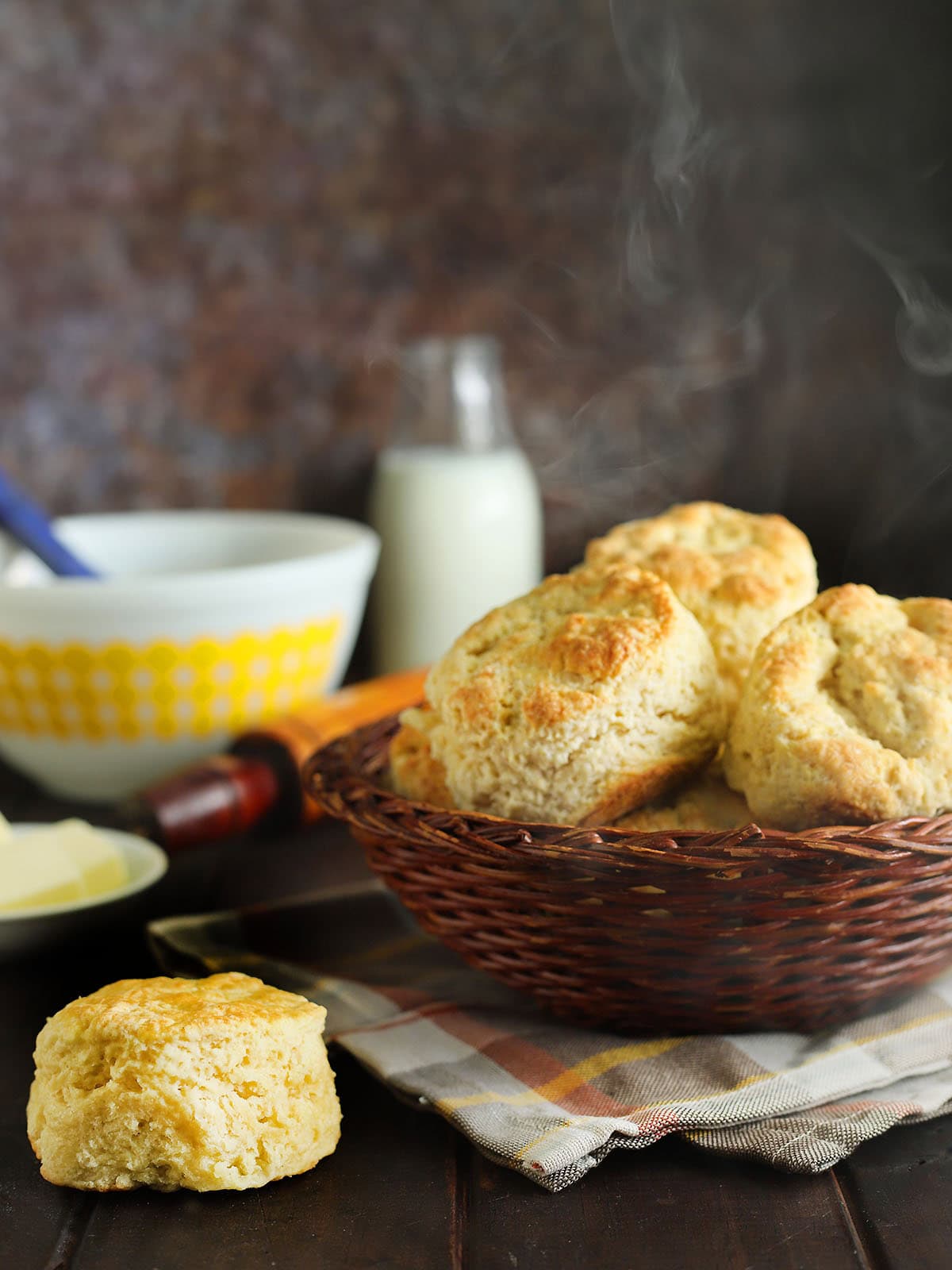
I make good biscuits.
No, I make really good buttermilk biscuits.
But it wasn’t always that way. My first biscuits came from the back of a box of Bisquick. One Saturday morning, I discovered I was completely out. Running to the grocery store wasn’t happening. Not only was I still in my pajamas, but a trip to Walmart on a Saturday morning in a small Mississippi town practically guarantees you’ll run into half the people you’ve ever known.
So I started experimenting with homemade buttermilk biscuits instead.
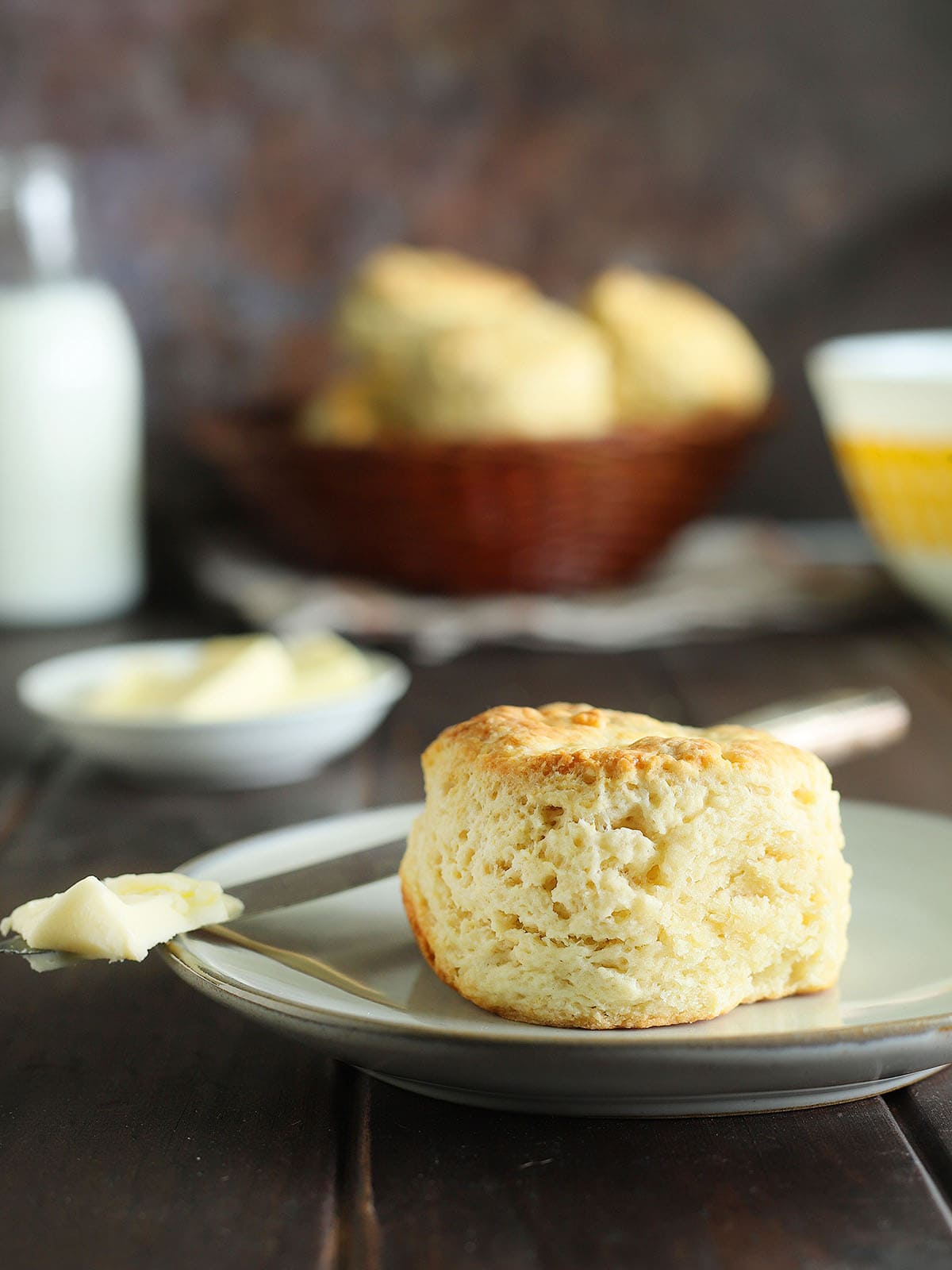
After making more batches than I can count, tweaking ingredient amounts, and learning from plenty of mistakes along the way, I’ve finally landed on what I consider the perfect biscuit. These homemade buttermilk biscuits are tender on the inside, golden brown on the outside, and loaded with flaky layers that pull apart beautifully.
Whether you’re serving them with sausage gravy, honey butter, or alongside your favorite Southern meal, this easy buttermilk biscuit recipe belongs in every home cook’s recipe collection.
“I have been looking for a good biscuit recipe for awhile now. I was intrigued by the tip you gave about grating the butter. These turned out better than expected. Thanks!”
-Carlos
Recipe at a glance
- Made with simple ingredients you probably already have on hand.
- Creates tall, flaky buttermilk biscuits every time.
- No special equipment required.
- Ready in about 30 minutes.
- Perfect for breakfast, brunch, or dinner.
Summarize and save this content on
Jump to:
Ingredients you will need
Made with simple ingredients you probably already have on hand, this easy biscuit recipe comes together in less than 30 minutes and bakes up beautifully golden brown every time.
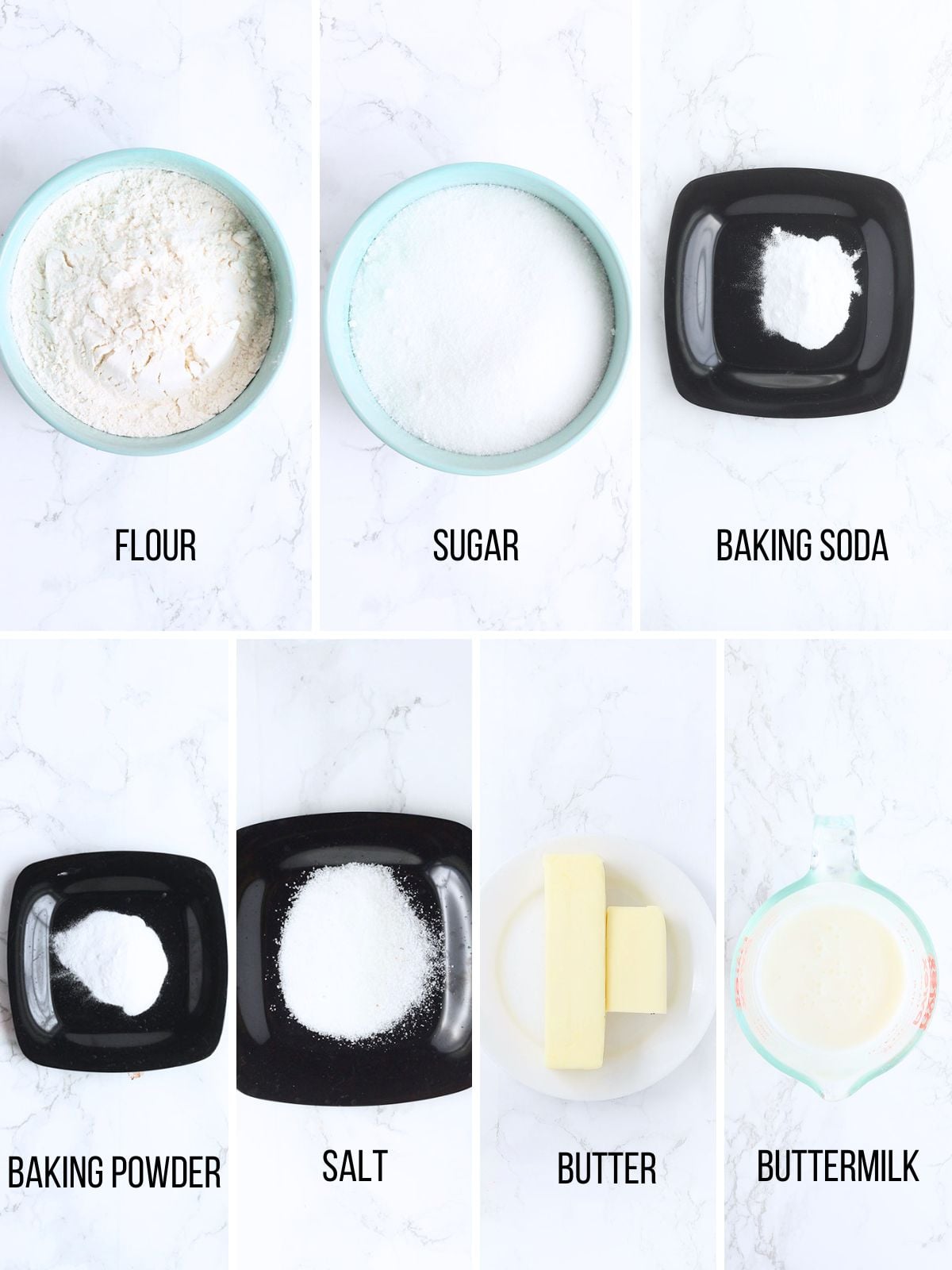
See the recipe card for full information on ingredients and quantities.
- All-purpose flour – This basic buttermilk biscuit recipe uses regular all-purpose flour rather than self-rising flour. Since we’re adding our own baking powder and baking soda, there’s no need for self rising flour. If you’re a traditionalist, White Lily Flour is a wonderful substitute. Made from soft winter wheat, it produces exceptionally tender southern buttermilk biscuits.
- Baking powder and baking soda – These two ingredients work together to create a light texture and help the biscuits rise nice and tall.
- Unsalted butter – Cold unsalted butter is essential for creating flaky layers. I prefer grating cold butter with a box grater because it creates small pieces that distribute evenly throughout the dough. As the butter melts in the oven, it releases steam, creating pockets of air that give the biscuits their light texture and flaky layers. It’s also faster and easier than cutting butter in with a pastry blender while helping the butter stay cold, which is the key to tender buttermilk biscuits.
- Cold buttermilk – Full-fat buttermilk provides the richest flavor and best texture, but low-fat buttermilk can also be used.
Recommended tools
Substitutions and variations
- Use shortening instead of butter – If you prefer a more traditional Southern biscuit, replace the butter with an equal amount of chilled shortening. Shortening creates an incredibly tender biscuit, though it won’t have quite as much flavor as butter.
- Try White Lily flour – Many Southern cooks swear by White Lily Flour because it’s made from soft winter wheat. It produces a softer, more tender biscuit than regular all-purpose flour. If using White Lily, you may need slightly less buttermilk since the flour absorbs liquid differently.
- Make them with self-rising flour – To use self-rising flour, omit the baking powder, baking soda, and salt. Replace the all-purpose flour with 3 cups of self-rising flour and proceed with the recipe as directed.
- Add cheese – Stir 1 cup of shredded sharp cheddar cheese into the flour mixture before adding the buttermilk. These cheesy biscuits are delicious served alongside soup, chili, or barbecue.
- Garlic herb biscuits – Mix 1 teaspoon garlic powder and 1 tablespoon chopped fresh herbs, such as chives, parsley, or rosemary, into the dry ingredients for extra flavor.
- Honey butter biscuits – Brush the warm biscuits with melted butter mixed with 1 tablespoon of honey as soon as they come out of the oven.
- Make drop biscuits – Short on time? Skip rolling and cutting the dough. Simply scoop portions of dough onto a parchment-lined baking sheet and bake as directed. The biscuits won’t be as uniform, but they’ll still be tender and delicious.
- Bake in a cast iron skillet – For softer sides and a classic Southern presentation, arrange the biscuits in a well-seasoned cast iron skillet so they’re just touching before baking.
- Add a little heat – Mix ¼ teaspoon cayenne pepper or a finely diced jalapeño into the dough for a spicy twist that pairs perfectly with sausage gravy or fried chicken.
- Sour cream biscuits – Replace a portion of the buttermilk with sour cream for an extra-rich biscuit.
How to make buttermilk biscuits
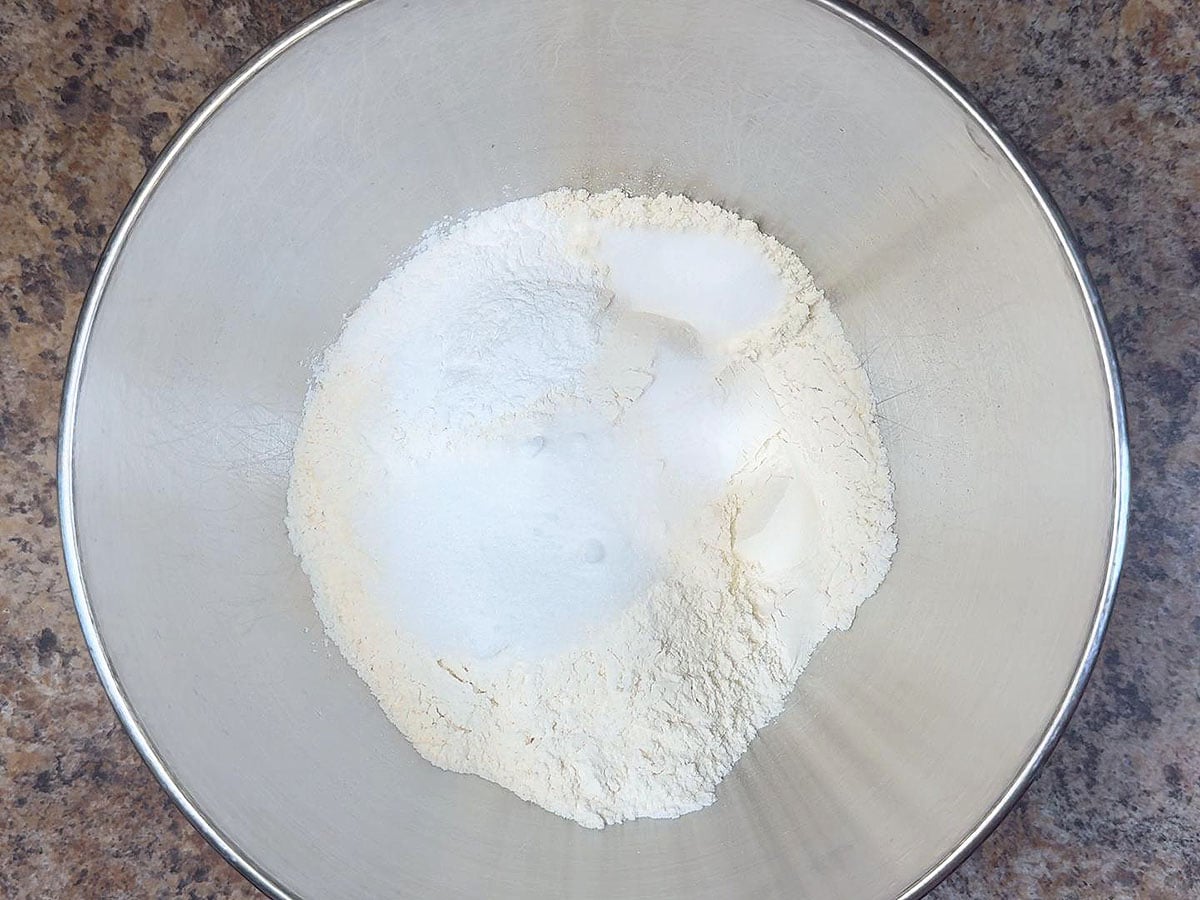
Step 1: In a large mixing bowl, whisk together the all-purpose flour, sugar, baking powder, baking soda, and salt.
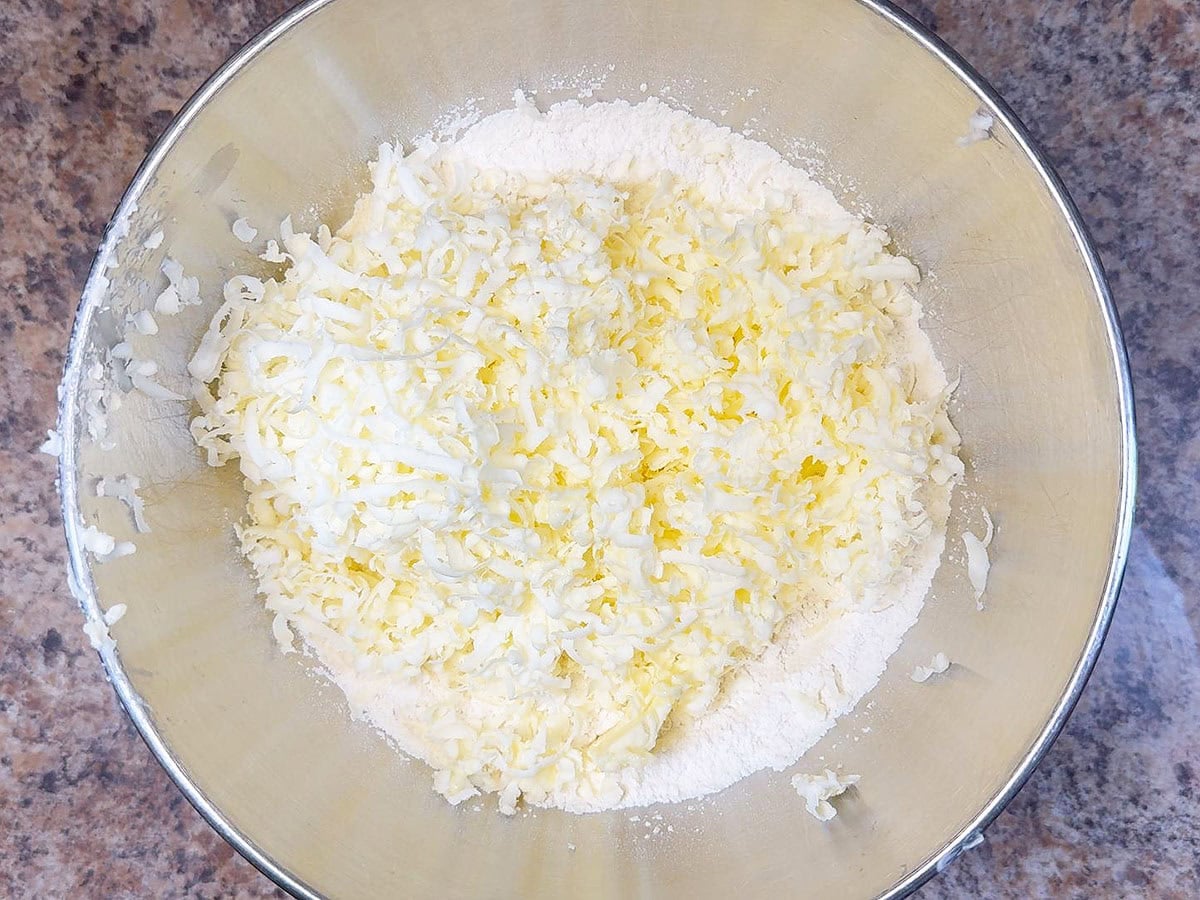
Step 2: Using a box grater, grate the cold unsalted butter directly into the flour mixture. If you don’t have a box grater, you can use a pastry blender, pastry cutter, or food processor. Mix until the dough mixture resembles coarse crumbs.
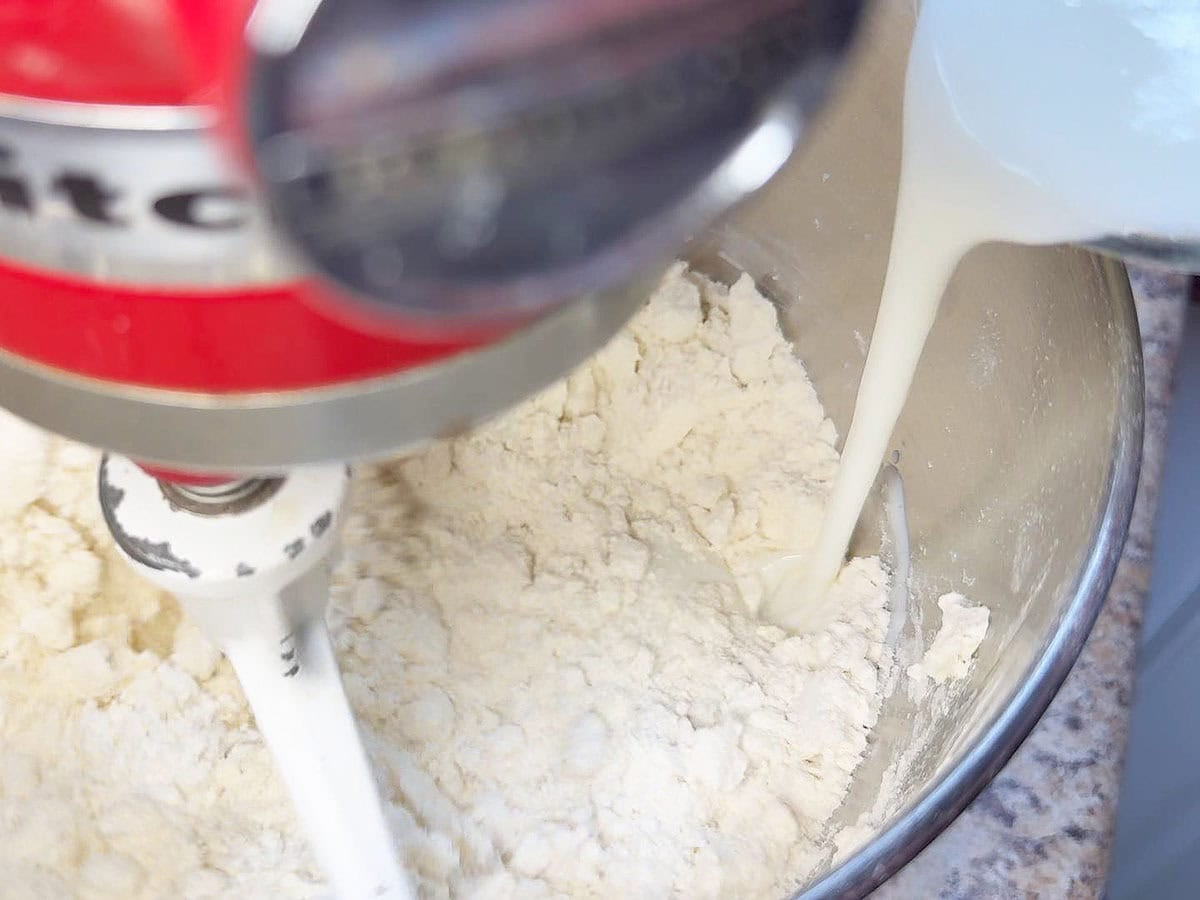
Step 3: Pour the cold buttermilk into the dry ingredients. Stir gently until the biscuit dough comes together. Add additional buttermilk, one tablespoon at a time, if needed.
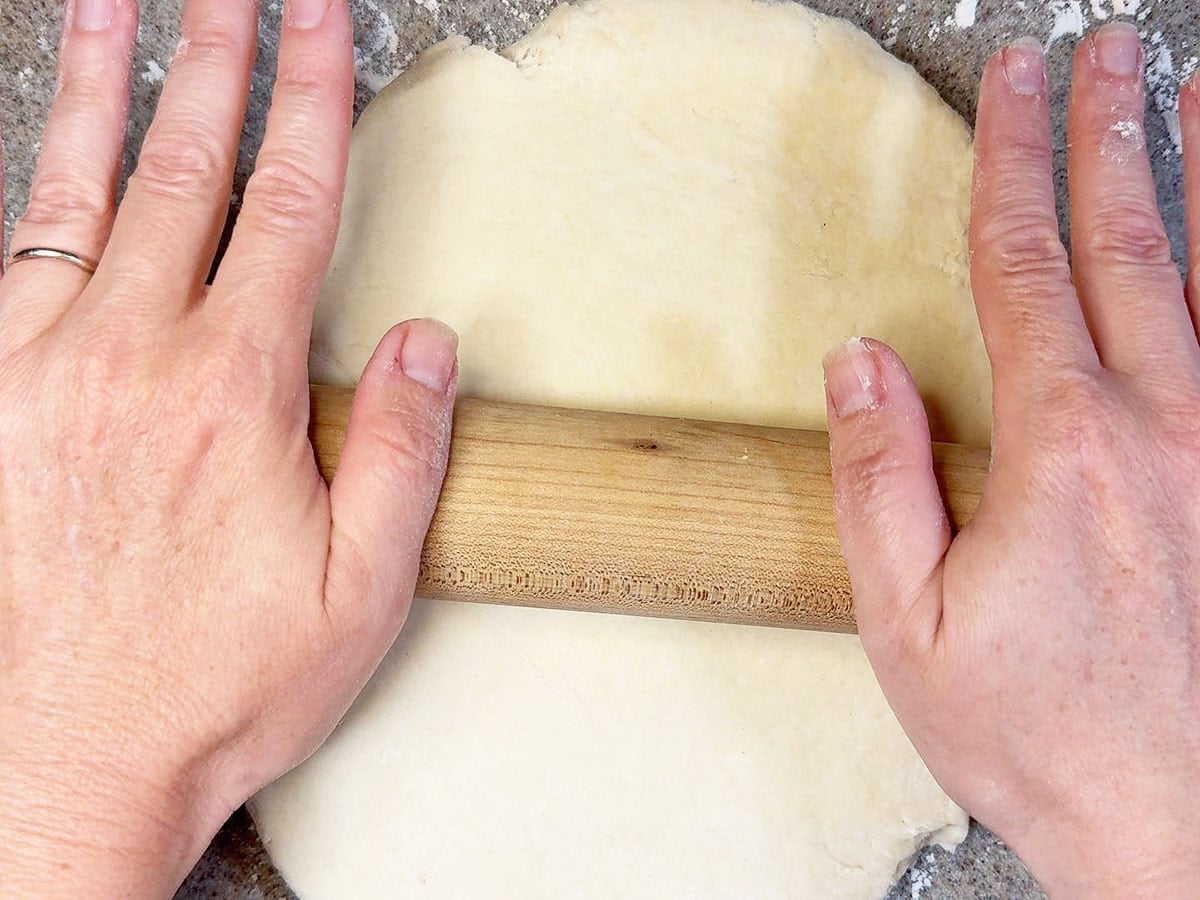
Step 4: Transfer the dough to a lightly floured work surface. Knead gently about 10 times. Pat the dough and the use a rolling pin to roll into a round approximately ½-inch thick.
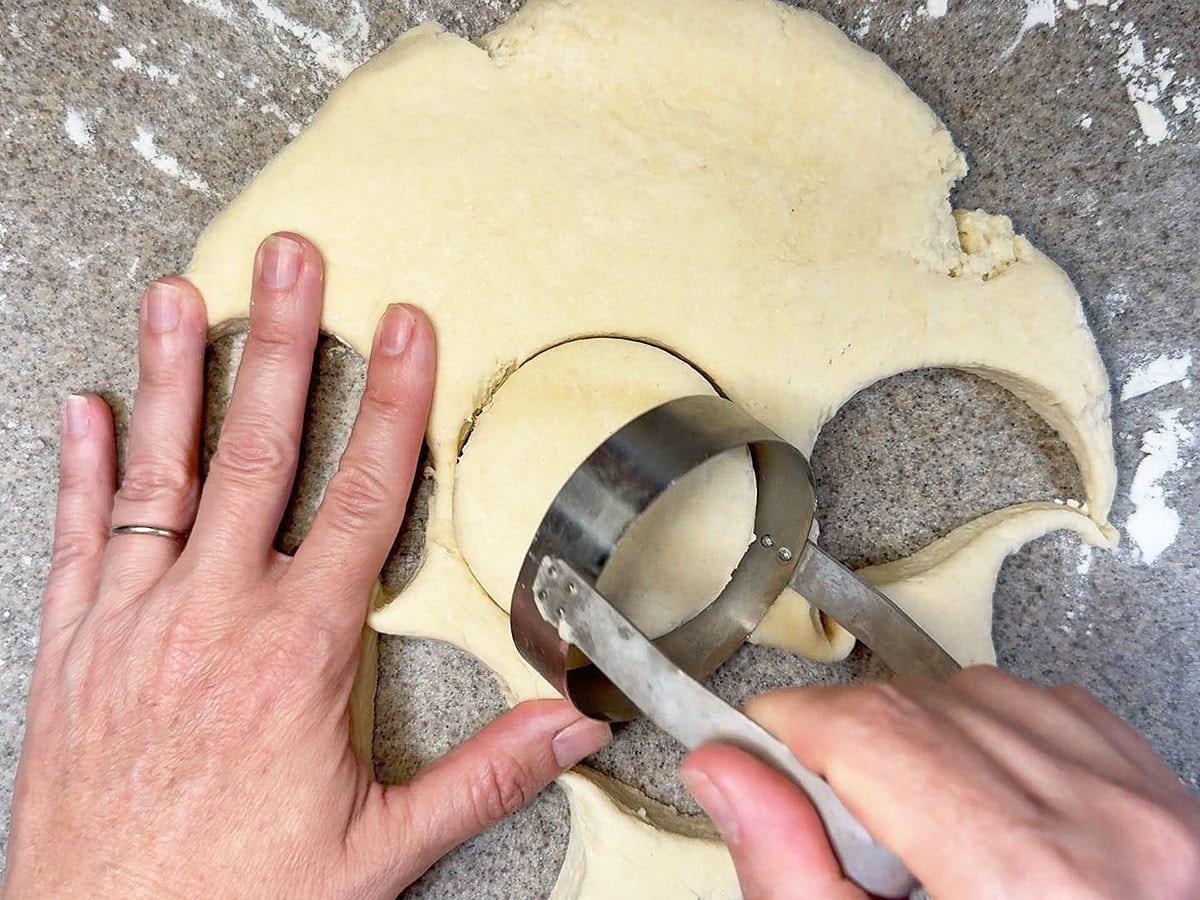
Step 5: Using a 2-inch biscuit cutter or cookie cutter, cut out eight biscuits. Gather scraps as needed and continue cutting until all dough has been used.
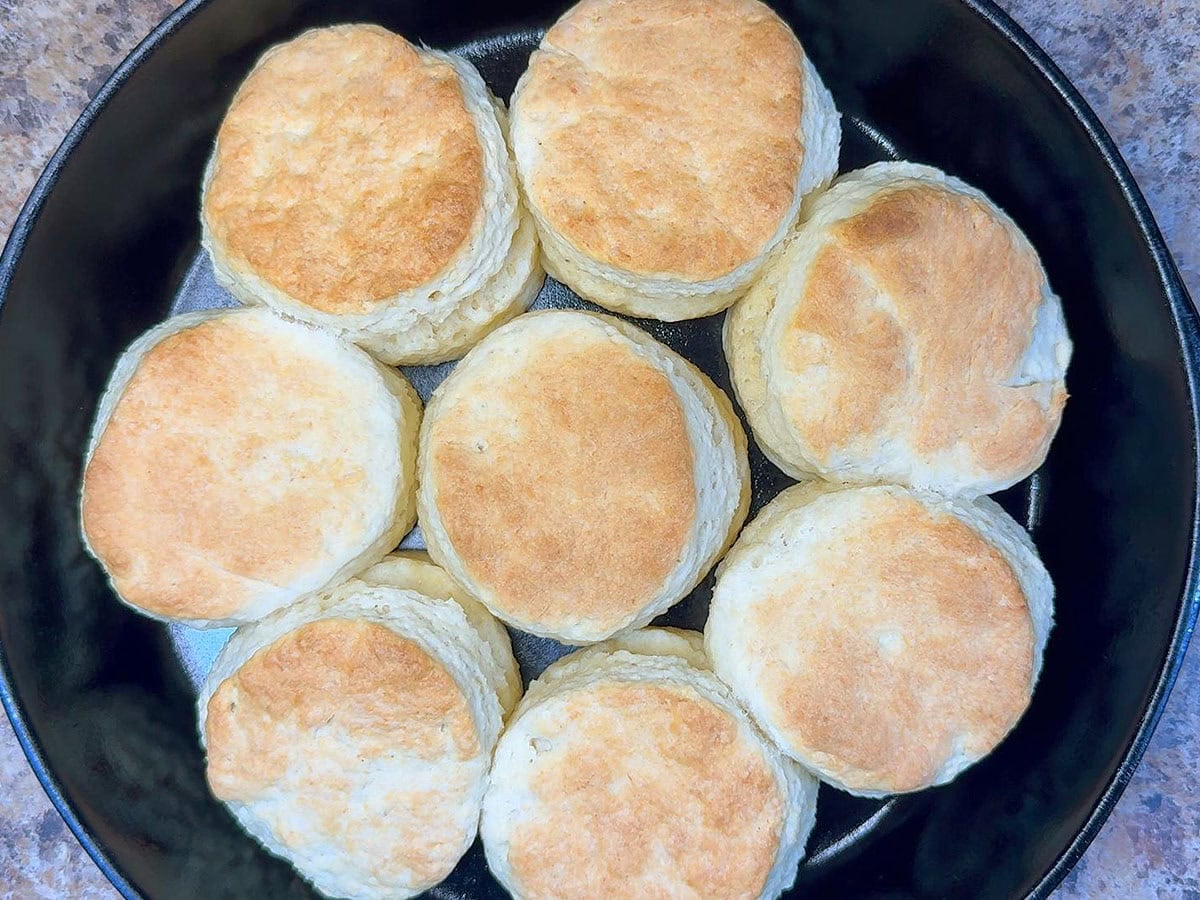
Step 6: Arrange the biscuits on a parchment-lined baking sheet or in a cast iron skillet. Bake at 450 degrees F for 15-17 minutes until the tops of the biscuits are golden brown. You will know they are baked all the way through if they sound hollow when you thump the tops. Brush the baked biscuits with melted butter immediately after removing them from the oven, if desired.
Four tips for the best buttermilk biscuits
- Check your baking powder – If your baking powder has been sitting in the pantry for a long time, your biscuits may not rise properly. Fresh baking powder makes a noticeable difference.
- Use really cold butter – Warm butter melts before the biscuits hit the oven. Cold grated butter creates steam pockets as the biscuits bake, resulting in those coveted flaky layers. For best results, place your stick of butter in the freezer for about 15 minutes before grating it with a box grater.
- Don’t roll the dough too thin – The biscuit dough should be at least ½-inch thick. Thinner dough produces shorter biscuits.
- Use a stainless steel biscuit cutter with a sharp, straight edge – A sharp cutter slices cleanly through the dough instead of compressing it. This helps the biscuits rise higher because the edges aren’t sealed shut. Dull cutters or drinking glasses tend to pinch the dough, which can result in shorter, denser biscuits. For this recipe, a 2-inch to 2¼-inch cutter works best. It will yield about eight biscuits and create the perfect balance between height and width.
Serving suggestions
Freshly baked buttermilk biscuits are incredibly versatile and can be served any time of day. Whether you’re enjoying them for breakfast, lunch, dinner, or dessert, these flaky biscuits pair well with a variety of sweet and savory dishes, such as:
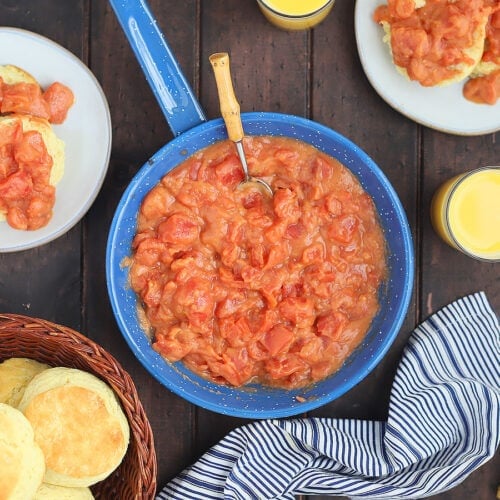
- Smothered in homemade sausage gravy
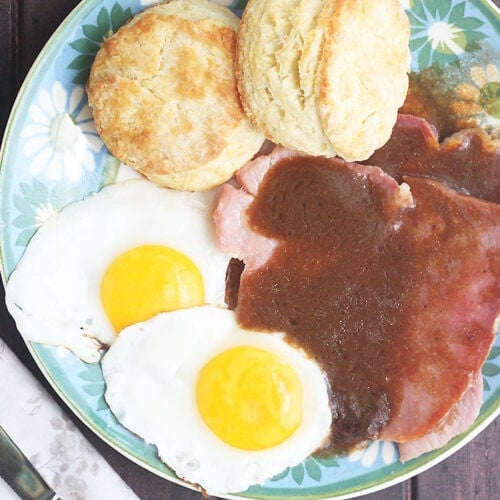
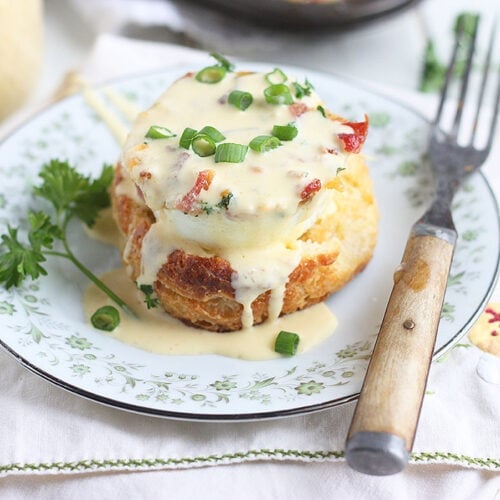
- A base for country eggs benedict with patty sausage, fried eggs, and gravy
- Split and topped with butter, honey, baked apples, or strawberry preserves
- Paired with cheesy grits and bacon
- Alongside fried chicken or chicken fried steak
- Served with vegetable beef soup or cowboy chili
- Paired with roast beef, Mississippi pot roast, or beef tips and noodles
- Strawberry shortcakes with fresh berries and whipped cream
Storage, freezing, and reheating instructions
Storage. Store leftover biscuits in an airtight container at room temperature for up to 2 days. For longer storage, refrigerate for up to 5 days.
Freezing. To freeze before baking, cut the biscuits and place them on a baking sheet. Freeze until solid, then transfer to a freezer-safe container. Bake directly from frozen, adding a few extra minutes to the baking time. To freeze after baking, allow the biscuits to cool completely. Store them in a freezer-safe container or zip top freezer bag for up to 3 months.
Reheating. To reheat in the oven, preheat your oven to 350°F. Place the biscuits on a baking sheet and loosely cover them with aluminum foil to prevent over-browning. Heat for 5-7 minutes, or until warmed through. If the biscuits seem a little dry, brush them lightly with melted butter before reheating.
To reheat in the microwave, wrap a biscuit in a damp paper towel and microwave on high for 15-20 seconds. This method is quick and convenient, but the biscuits may be softer and less flaky than when reheated in the oven.
To reheat in an air fryer. Preheat your air fryer to 320°F. Place the biscuits in the air fryer basket in a single layer, leaving a little space between each one. Heat for 2-3 minutes.
Buttermilk biscuits FAQ’s
Tough biscuits are usually caused by over mixing or overworking the biscuit dough. Handle the dough as little as possible.
Absolutely. Wrap the biscuit dough tightly in plastic wrap and refrigerate for up to 24 hours before baking.
Dry biscuits are often caused by adding too much flour or overbaking. Measure carefully and remove them from the oven as soon as they’re golden brown.
For the best buttermilk biscuits, I recommend using real buttermilk whenever possible. If you don’t have any on hand, make a quick substitute by combining one tablespoon of white vinegar with one cup of whole milk. Let the mixture sit for about 5 minutes. The buttermilk mixture won’t be quite as thick as store-bought buttermilk, but it works surprisingly well in a pinch. Out of milk? Check out this recipe for No Milk Biscuits.
The most common reasons are expired baking powder, warm butter, or overworked dough. Make sure your baking powder is fresh, keep your butter and buttermilk cold, and handle the dough as little as possible. Also, avoid twisting the biscuit cutter, which can seal the edges and prevent the biscuits from rising properly.
Biscuits that are too thick or crowded too closely together may need additional baking time. Check that your oven is fully preheated and bake until the tops are golden brown and the centers are cooked through. The biscuits will make a hollow sound when you tap them on the top when they are baked all the way through.
If the tops of your biscuits are pale, they may need a few more minutes in the oven. Baking on the center rack and brushing the tops with a little melted butter before or after baking can also encourage a beautiful golden-brown color.
Flaky layers come from small pieces of cold butter trapped throughout the dough. If the butter becomes too warm before baking or is overmixed into the flour, the biscuits can turn out dense instead of flaky.
More ways to serve buttermilk biscuits
Tried This Recipe? Let Me Know!
⭐️⭐️⭐️⭐️⭐️
If you made homemade buttermilk biscuits, I’d love to hear how it turned out! Your ratings and reviews help others find the recipe and give me great feedback too.
Southern Buttermilk Biscuits
Ingredients
- 3 cups all-purpose flour
- 1 ½ tablespoons sugar
- ¼ teaspoon baking soda
- 3 teaspoons baking powder
- 1 ½ teaspoons salt
- ¾ cup chilled unsalted butter or shortening
- 1 ½ cups cold buttermilk
Instructions
- Preheat oven to 450 degrees.
- In a large bowl, combine the flour, sugar, baking soda, baking powder and salt.
- Grate the butter using a box grater. Gently stir the butter into the flour mixture.
- Add one cup of buttermilk, and stir until the dough comes together and begins to leave the side of the bowl. Add additional buttermilk if necessary.
- Turn the dough out onto a floured surface. Lightly knead the dough 10 times. Roll or pat the dough to ½-inch thickness. Cut into disks using a 2 to 2-¼- inch round cutter. Place on a greased cookie sheet about one inch apart.
- Bake for 15-17 minutes until golden brown. Serve warm.
Video
Notes
- Keep all ingredients as cold as possible.
- Use a lightly floured work surface to prevent sticking.
- Grated butter creates some of the flakiest biscuits.
- Avoid twisting the cutter when cutting biscuits.
- Brush the tops with melted butter for extra flavor and color.
Ha ha! Thanks, Barry. Glad you enjoyed them.