
Scalloped Oysters
Bring a taste of Louisiana to your table with this classic New Orleans-Style Scalloped Oysters recipe. Creamy, buttery, and baked to golden perfection in a 9×13 casserole dish—perfect for holidays, seafood lovers, and Southern-style entertaining.
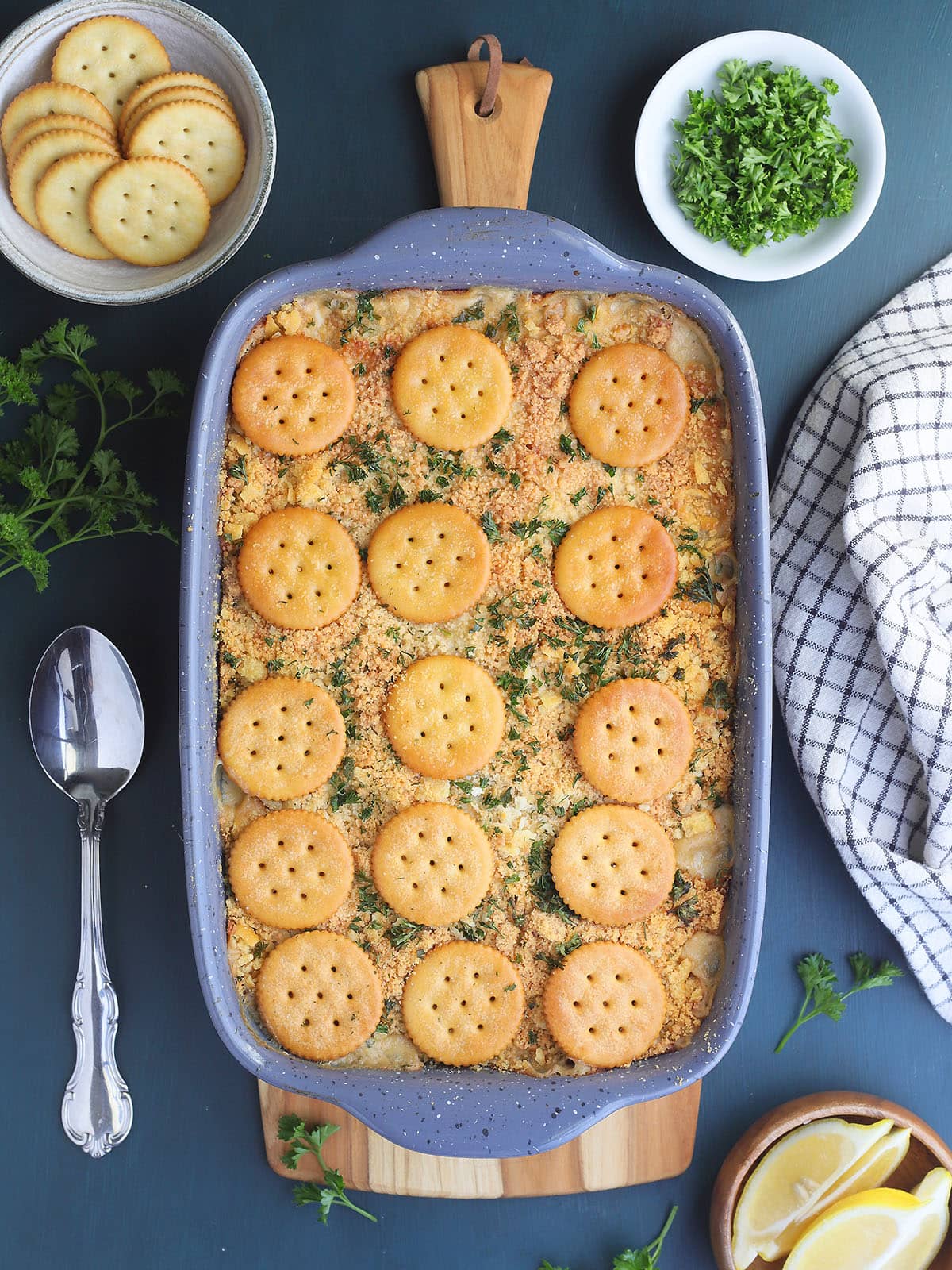
Scalloped oysters have long been a staple on holiday tables in Southern and Creole kitchens, especially around Thanksgiving, Christmas, and New Year’s. In New Orleans, they’re often served as a first course or as a side dish for roast turkey or baked ham, and every family seems to have their own version—some use saltines, others swear by buttered breadcrumbs or crushed Ritz crackers.
This recipe leans into the classic Creole flavors: onion, celery, and bell pepper sautéed in butter (the “holy trinity” of Louisiana cooking), a splash of Worcestershire and lemon for a touch of freshness, and just enough cayenne to give it a gentle kick. When baked, the sauce bubbles up through the layers of oysters and crumbs, creating a rich, savory casserole that’s impossible to resist.
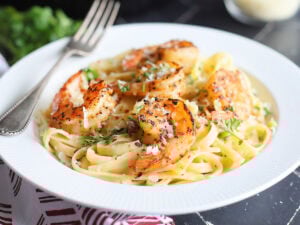
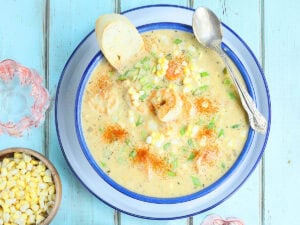
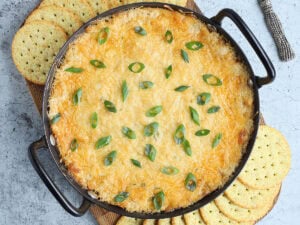
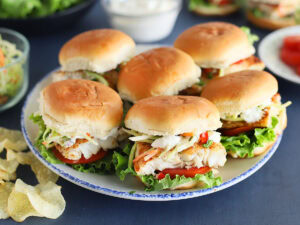
Looking for more oyster recipes? You will like Oven Baked Oysters, Oyster Stew, Fried Oyster Po’ Boys, or New Orleans Style Oyster Dressing.
Recipe at a Glance
- Feeds a Crowd: Serves up to 12—great for gatherings.
- Gulf Coast Flavor: Fresh oysters, cayenne, and buttery goodness.
- Creamy & Crispy: Silky sauce with a golden breadcrumb crust.
- Make-Ahead Friendly: Prep a day early, bake when ready.
Summarize and save this content on
Jump to:
Ingredients you will need
Rich, briny oysters are baked in a creamy sauce with tender vegetables, a touch of spice, and a golden crust of bread crumbs and Parmesan cheese. To make this oyster casserole, you will need:
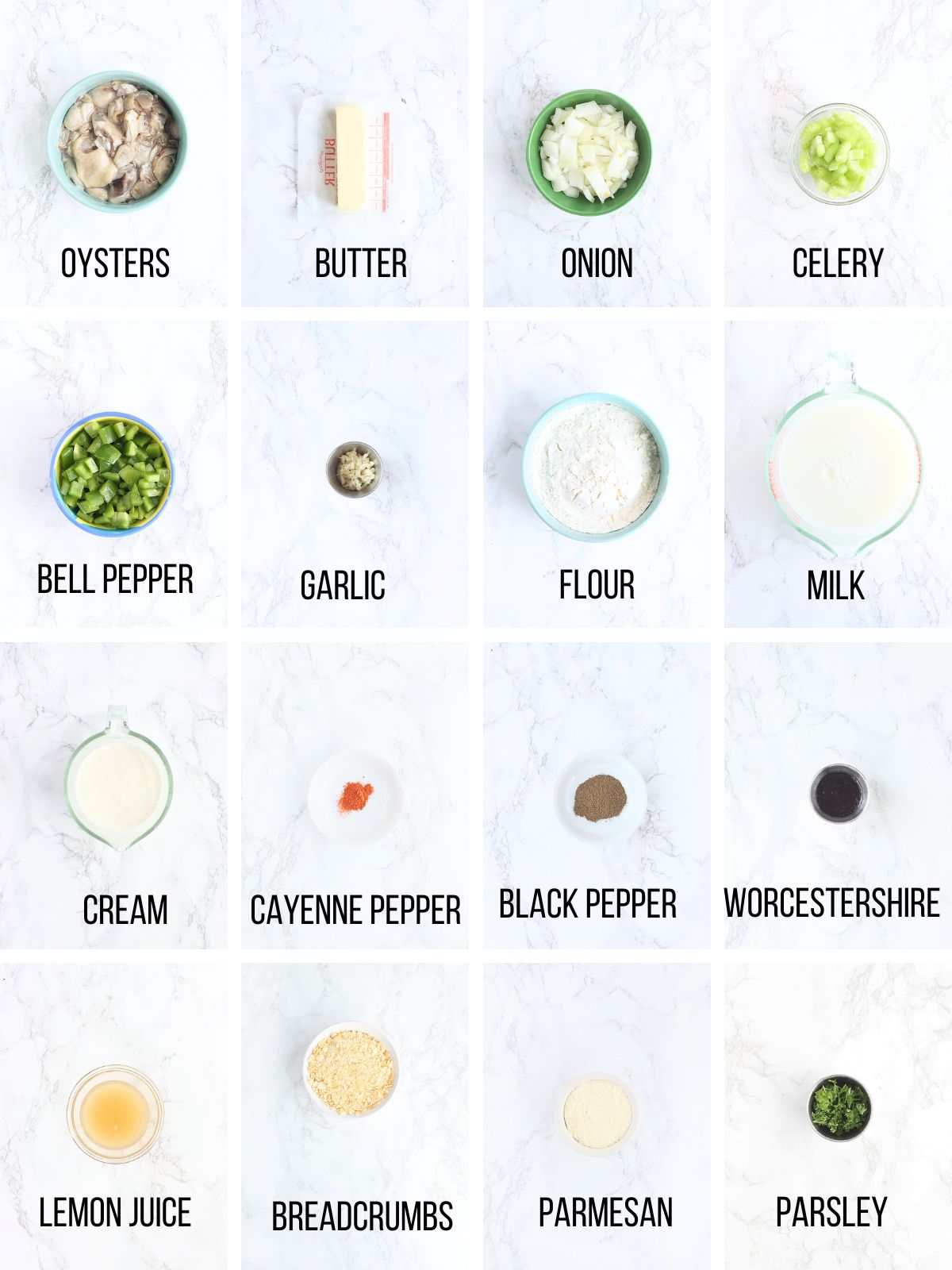
See the recipe card for full information on ingredients and quantities.
- Fresh Oysters – Gulf oysters or Chesapeake Bay oysters are ideal for this recipe because they’re plump and slightly briny, which complements the creamy sauce and seasonings. Be sure to drain the oysters and reserve one cup of that oyster liquor (the liquid from the container)—it’s liquid gold for the sauce.
- Butter – No New Orleans recipe is complete without plenty of butter. It adds richness, helps sauté the “holy trinity” of vegetables, and gives the breadcrumb topping that irresistible golden crunch.
- Onion, Celery & Bell Pepper – Known as the “holy trinity” of Cajun and Creole cooking, this aromatic trio forms the savory base of the sauce. It builds deep flavor and gives the dish that authentic Louisiana taste.
- Garlic – Adds a subtle punch and rounds out the savory flavor. Just a couple of cloves go a long way.
- All-Purpose Flour – Used to make a simple roux with the butter and vegetables. This thickens the creamy sauce that binds the oysters and breadcrumbs together.
- Milk & Heavy Cream – The combination gives the casserole its silky, decadent texture. Whole milk keeps it light enough, while heavy cream adds that classic richness.
- Cayenne Pepper – A pinch of cayenne brings gentle heat—not overwhelming, but just enough to let you know it’s from Louisiana.
- Lemon Juice – Brightens the dish and balances the richness of the sauce. A little acidity makes the oysters sing.
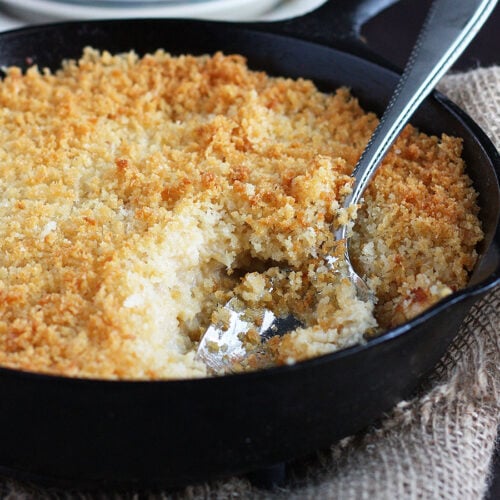
- Seasoned Breadcrumbs or Crushed Crackers – Creates the “scalloped” effect—a crisp, golden topping that contrasts beautifully with the creamy interior. Check out this recipe for making your own seasoned breadcrumbs.
- Fresh Parsley – Sprinkled over the top before baking, parsley adds color and a fresh note to balance all that buttery richness.
- Lemon Wedges (for serving) – A squeeze of lemon right before serving brings brightness and freshness to each bite—the perfect finishing touch.
Substitutions and variations
- Oysters: Use canned or jarred oysters if fresh isn’t available—just drain and reserve the liquid.
- Breadcrumbs: Swap for crushed Ritz crackers, saltine crackers, or panko for extra crunch. For this recipe, 1 ½ cracker sleeves was just the right amount.
- Dairy-free: Substitute plant-based butter and cream for a lighter, dairy-free version.
- Add bacon: Stir in a few tablespoons of cooked, crumbled bacon for a smoky twist.
- Add spinach or mushrooms: Fold in sautéed spinach or mushrooms for added texture and flavor.
- Spice it up: Add a few dashes of hot sauce or Creole or homemade Cajun seasoning for more heat.
- Wine Lovers: Replace part of the oyster juice with dry sherry or white wine for depth.
How to make scalloped oysters
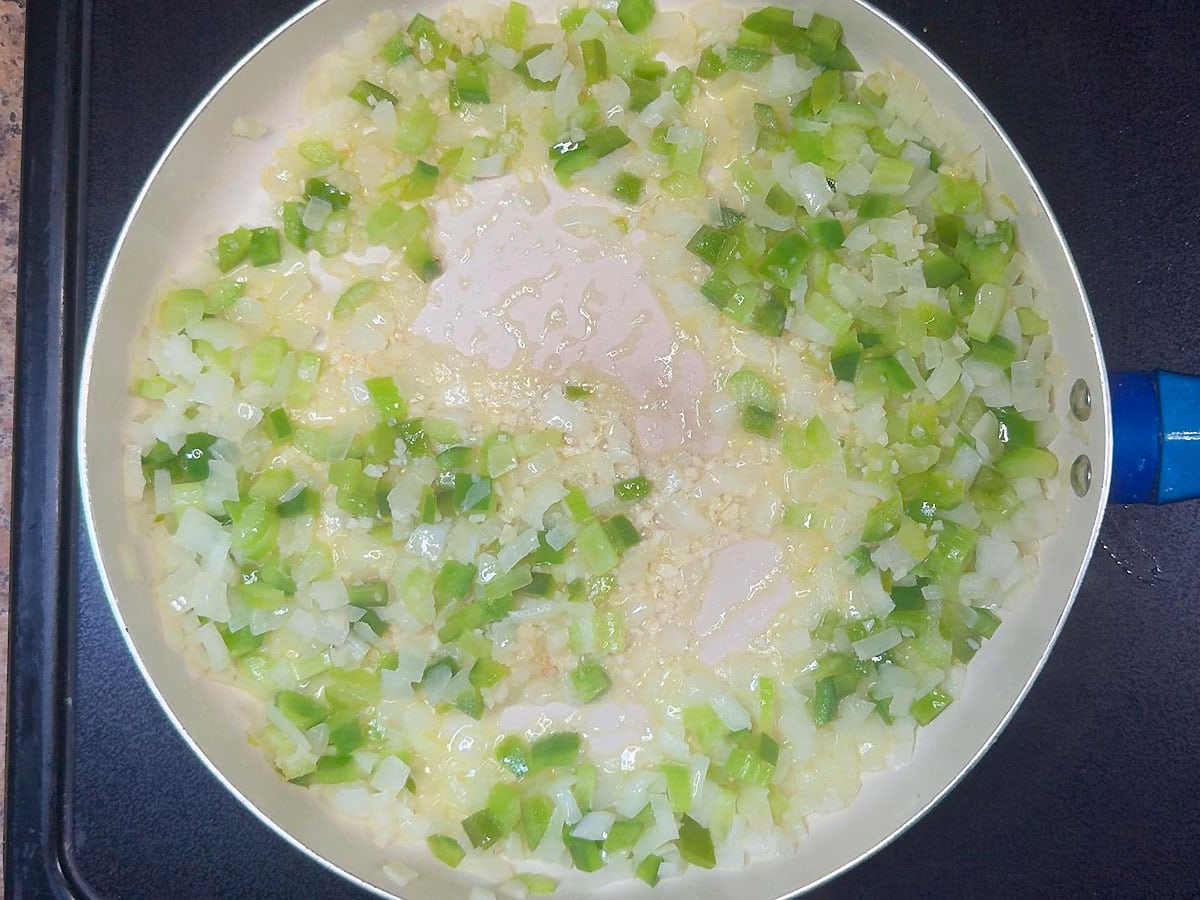
Step 1: In a large skillet, melt 4 tablespoons of unsalted butter over medium heat. Add onion, celery, bell pepper, and garlic. Cook, stirring occasionally, until the vegetables are tender and fragrant — about 6–7 minutes.
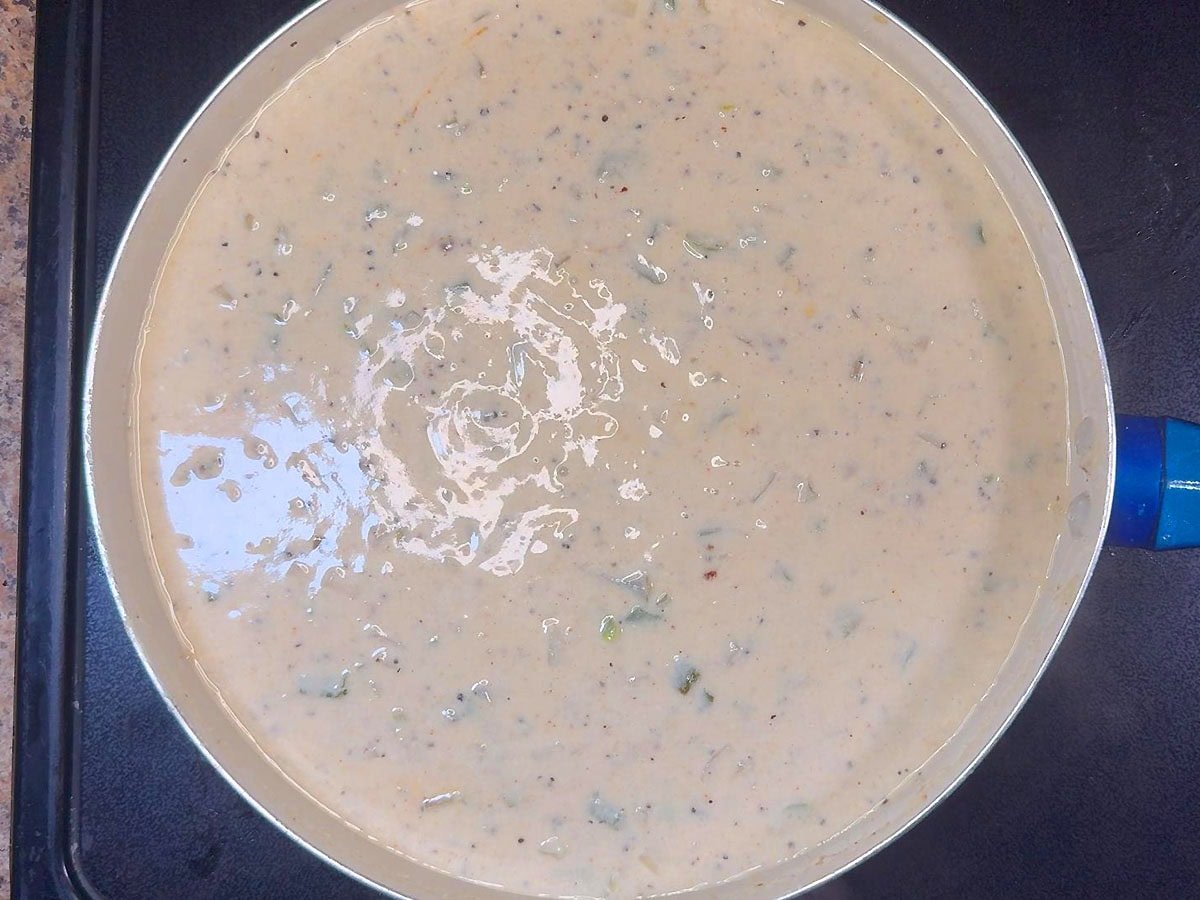
Step 2: Sprinkle in the flour and stir for 1 minute to remove the raw taste. Gradually whisk in the milk, cream, and reserved oyster liquid. Cook, stirring often, until the sauce thickens, about 4–5 minutes. Stir in salt, cayenne, black pepper, Worcestershire sauce, and lemon juice into the cream mixture. Remove the pan from heat.
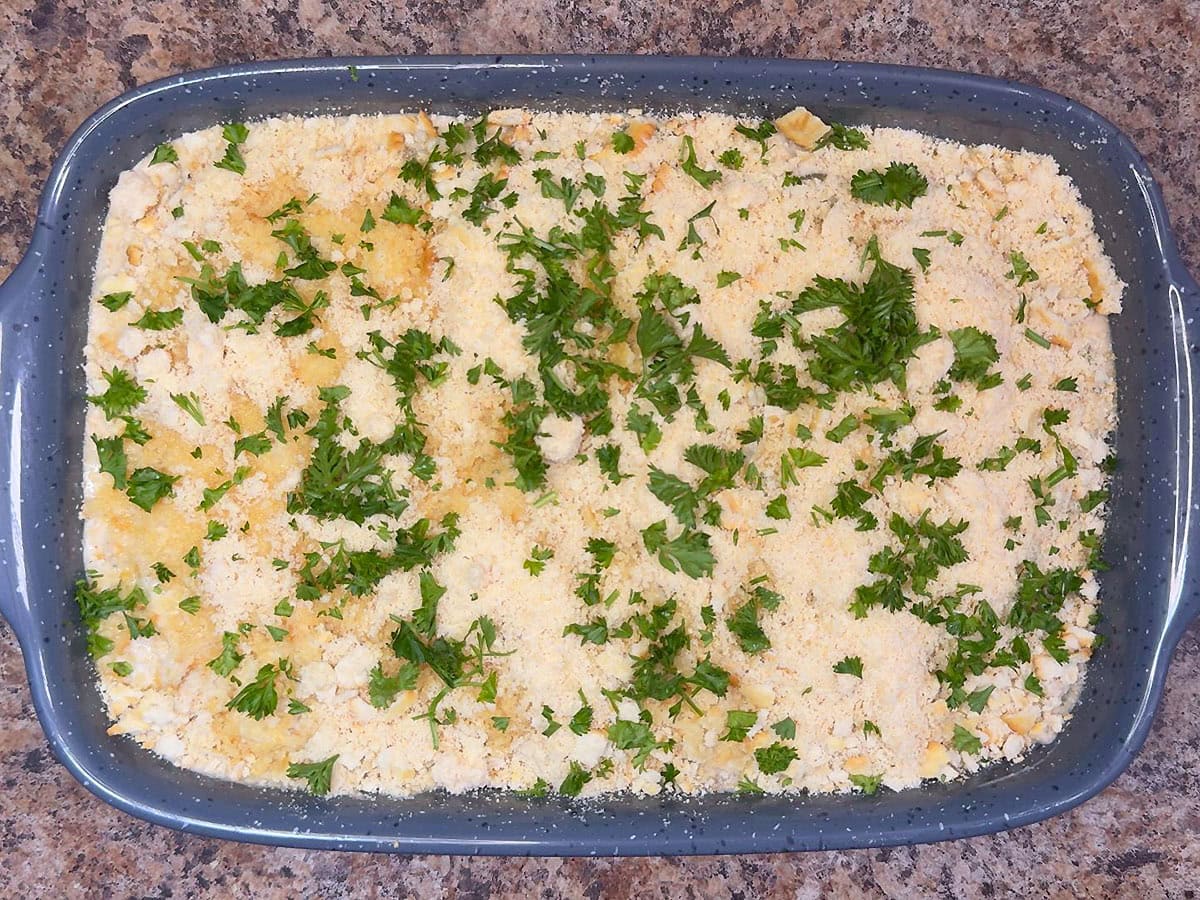
Step 3: Spread 1 cup of breadcrumbs (or an equal amount of cracker crumbs) evenly across the bottom of a prepared casserole dish. Add half the drained oysters, spoon half the sauce over the layer of oysters, then repeat with the rest of the oysters and sauce. Top with the remaining crumbs.
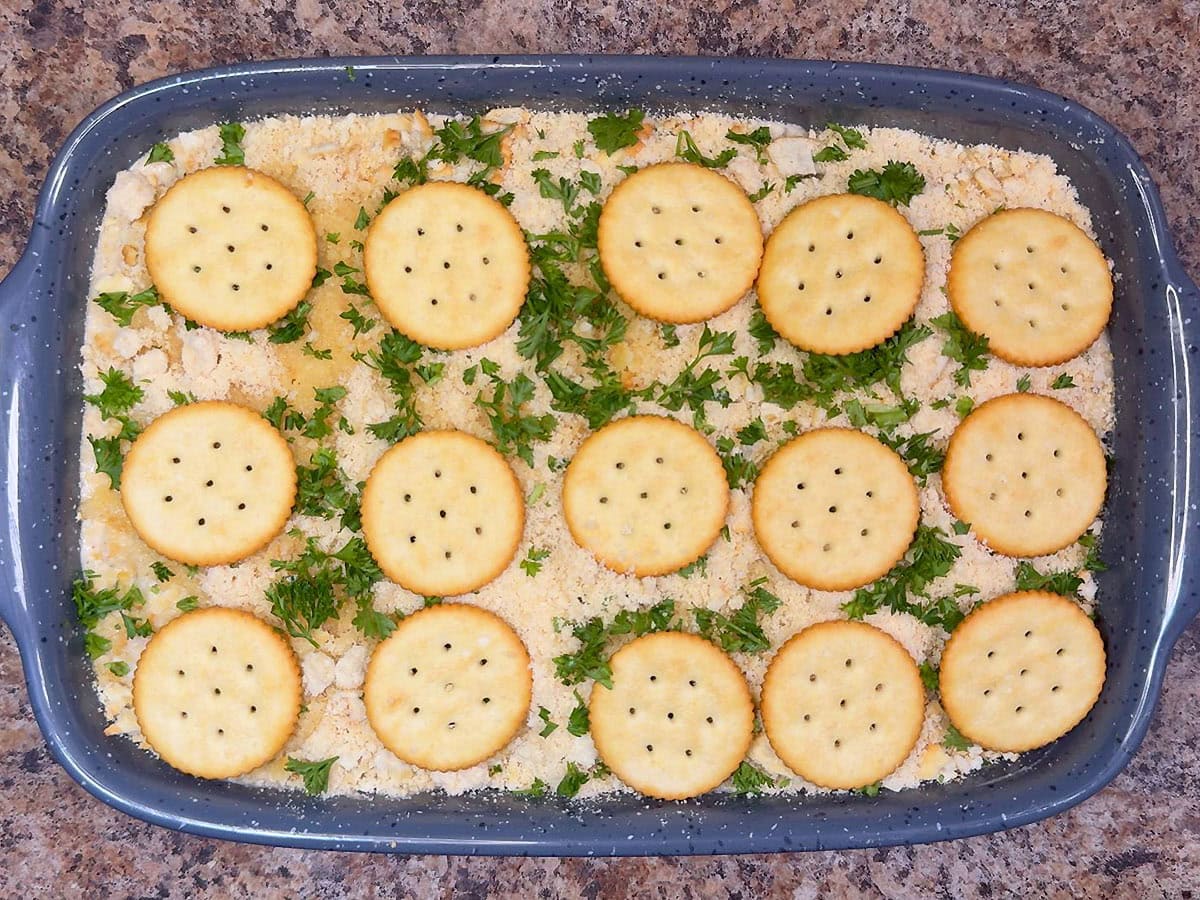
Step 4: Melt 4 tablespoons of additional butter and drizzle evenly over the top. Sprinkle with the Parmesan cheese and parsley.
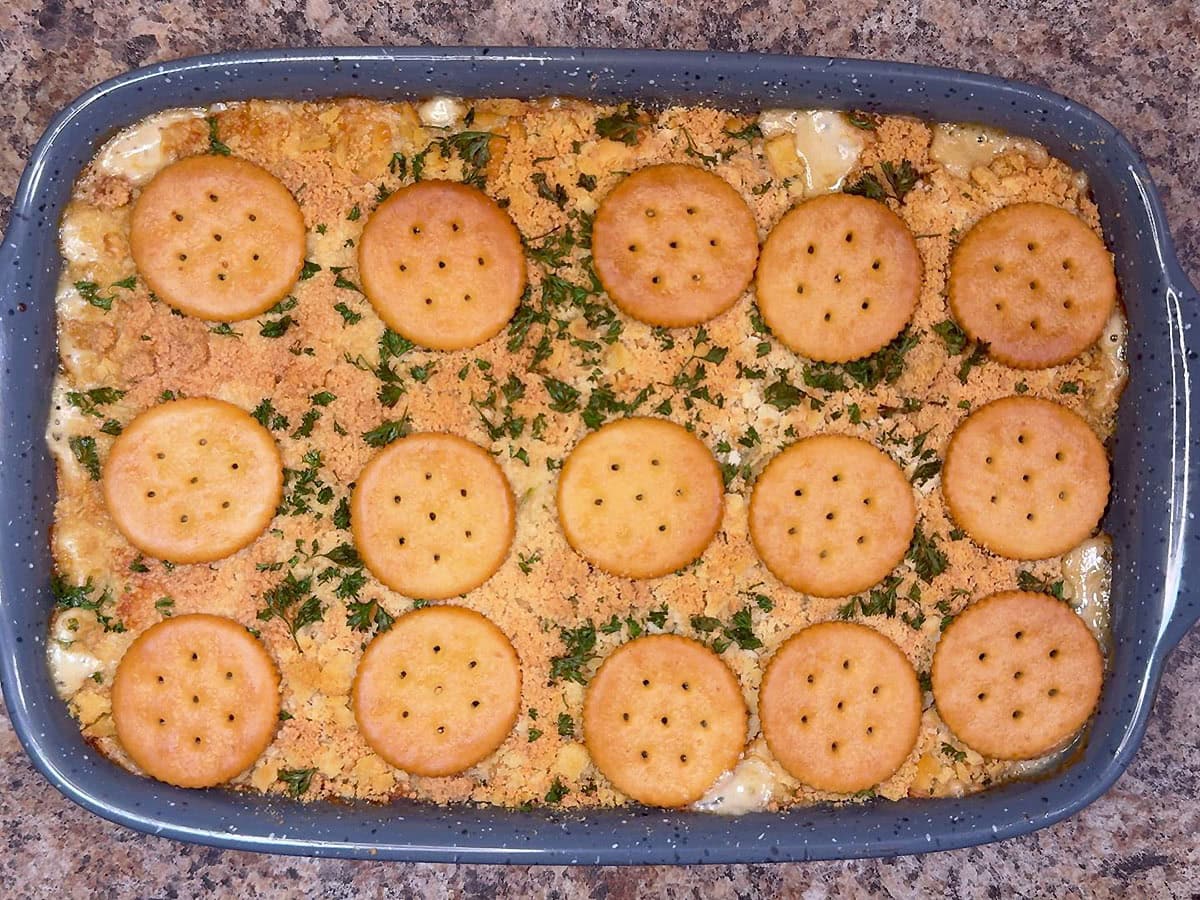
Step 5: Bake uncovered for 35-40 minutes in a preheated oven at 350°F (175°C), or until the top is golden brown and bubbling around the edges. Let cool for about 5 minutes before serving. Garnish with lemon wedges and a dash of hot sauce, if desired.
Optional: assemble the casserole up to 1 day ahead, cover tightly, and refrigerate; remove from the fridge 30 minutes before baking and add a few extra minutes to the bake time if still cold.
Serving suggestions
This dish is rich enough to be the star of your table, but it shines even brighter next to a few Southern favorites:
- Creamy cheese grits
- Marinated asparagus
- A crisp green broccoli salad with bacon and cranberries
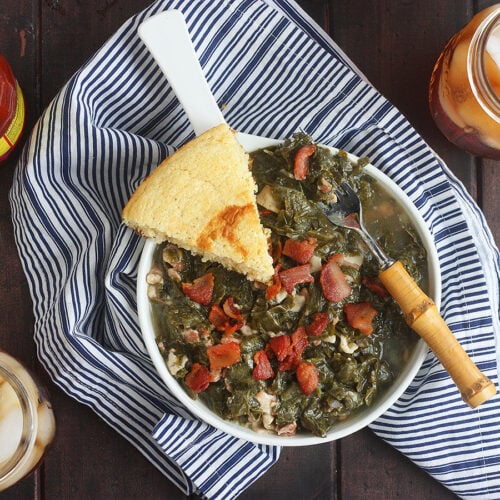
- Warm French bread to soak up all that buttery sauce
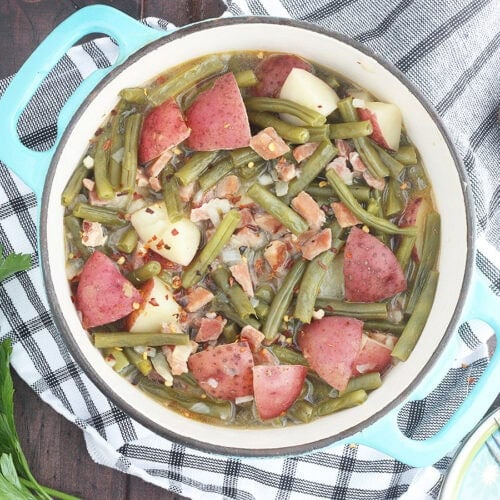
- A crisp white wine like Chablis, Sauvignon Blanc, or Pinot Grigio pairs beautifully with the briny oysters and creamy sauce.
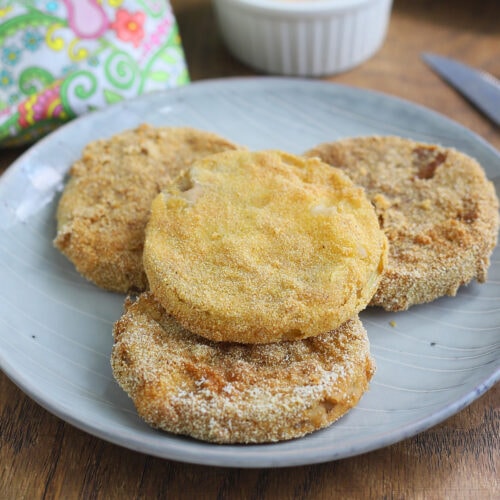
And don’t forget a bottle of hot sauce on the side—it’s practically required in Louisiana.
Storage instructions
Storage. Allow the scalloped oysters to cool completely. Cover the baking dish tightly with foil or transfer leftovers to an airtight container. Store in the refrigerator for up to 3 days.
Freezing. While technically possible, freezing is not recommended because the creamy sauce and oysters can become watery and lose their texture when thawed.
Reheating.
- Reheating (Oven):
- Preheat the oven to 350°F (175°C).
- Cover the dish with foil to prevent drying out.
- Reheat for 15–20 minutes, or until warmed through and bubbling around the edges.
- For a crisp topping, remove the foil during the last 5 minutes of heating.
- Reheating (Microwave):
- Transfer a portion to a microwave-safe dish.
- Heat on medium power in 30-second intervals, stirring gently between each, until warmed through.
- Be careful not to overheat — oysters can become tough if cooked too long.
Pro tip: If the sauce thickens too much after refrigeration, stir in 1–2 tablespoons of milk or cream before reheating to restore its creamy consistency.
Scalloped oysters FAQ’s
Yes, you can substitute unsweetened oat milk or almond milk for regular milk and use a plant-based cream or coconut cream instead of heavy cream. For the topping, choose dairy-free butter and vegan Parmesan or nutritional yeast for flavor.
If oysters aren’t available or preferred, try using chopped shrimp, crabmeat, or scallops for a similar texture and coastal flavor. Adjust cooking time slightly so the seafood doesn’t overcook.
This can happen if the sauce was cooked over too high a heat or baked too long. To prevent curdling, stir constantly when making the cream sauce and bake just until the casserole is heated through and bubbly.
Yes! Divide the mixture among individual ramekins or baking dishes and reduce the bake time to about 20–25 minutes, until bubbly and golden. This makes a great presentation for dinner parties.
Yes! Use gluten-free breadcrumbs or crushed gluten-free crackers, and replace the flour in the roux with gluten-free all-purpose flour or cornstarch. The rest of the ingredients are naturally gluten-free.
Tried This Recipe? Let Me Know!
⭐️⭐️⭐️⭐️⭐️
If you made Scalloped Oysters, I’d love to hear how it turned out! Your ratings and reviews help others find the recipe and give me great feedback too.
Scalloped Oysters
Ingredients
- 2 pints fresh oysters drained (reserve 1 cup oyster liquor)
- 8 tablespoons unsalted butter, divided
- 1 cup finely chopped onion
- ½ cup finely chopped celery
- ½ cup finely chopped green bell pepper
- 4 cloves garlic minced
- ¼ cup all-purpose flour
- 1 cup whole milk
- 1 cup heavy cream
- 1 teaspoon salt
- ½ teaspoon cayenne pepper
- ½ teaspoon black pepper
- 1 teaspoon Worcestershire sauce
- 2 teaspoons lemon juice
- 2 cups seasoned breadcrumbs or crushed crackers
- ½ cup grated Parmesan cheese
- ¼ cup chopped fresh parsley
- Lemon wedges for serving
Instructions
- Preheat the oven to 375°F (190°C). Grease a 9 x 13-inch baking dish with butter or nonstick spray.
- In a large skillet, melt 4 tablespoons of butter over medium heat. Add the onion, celery, bell pepper, and garlic.
- Cook for 6–7 minutes until tender.
- Stir in the flour and cook for 1 minute. Gradually whisk in the milk, cream, and oyster liquor.
- Cook until thickened, about 4–5 minutes. Add the salt, cayenne, black pepper, Worcestershire, and lemon juice.
- Remove the pan from heat.
- Spread 1 cup of breadcrumbs in the bottom of the casserole dish. Layer half of the oysters and half the sauce.
- Repeat the layers, finishing with the breadcrumbs.
- Drizzle the melted butter on top. Sprinkle with the Parmesan cheese and parsley.
- Bake uncovered for 30–35 minutes, until golden and bubbling.
- Let cool 5 minutes before serving. Garnish with lemon wedges and hot sauce if desired.
This New Orleans-Style Scalloped Oysters recipe is rich without being heavy, comforting without being complicated, and it always steals the spotlight on the table. If you love traditional Louisiana flavors, this is a must-try dish that feels both nostalgic and elegant.